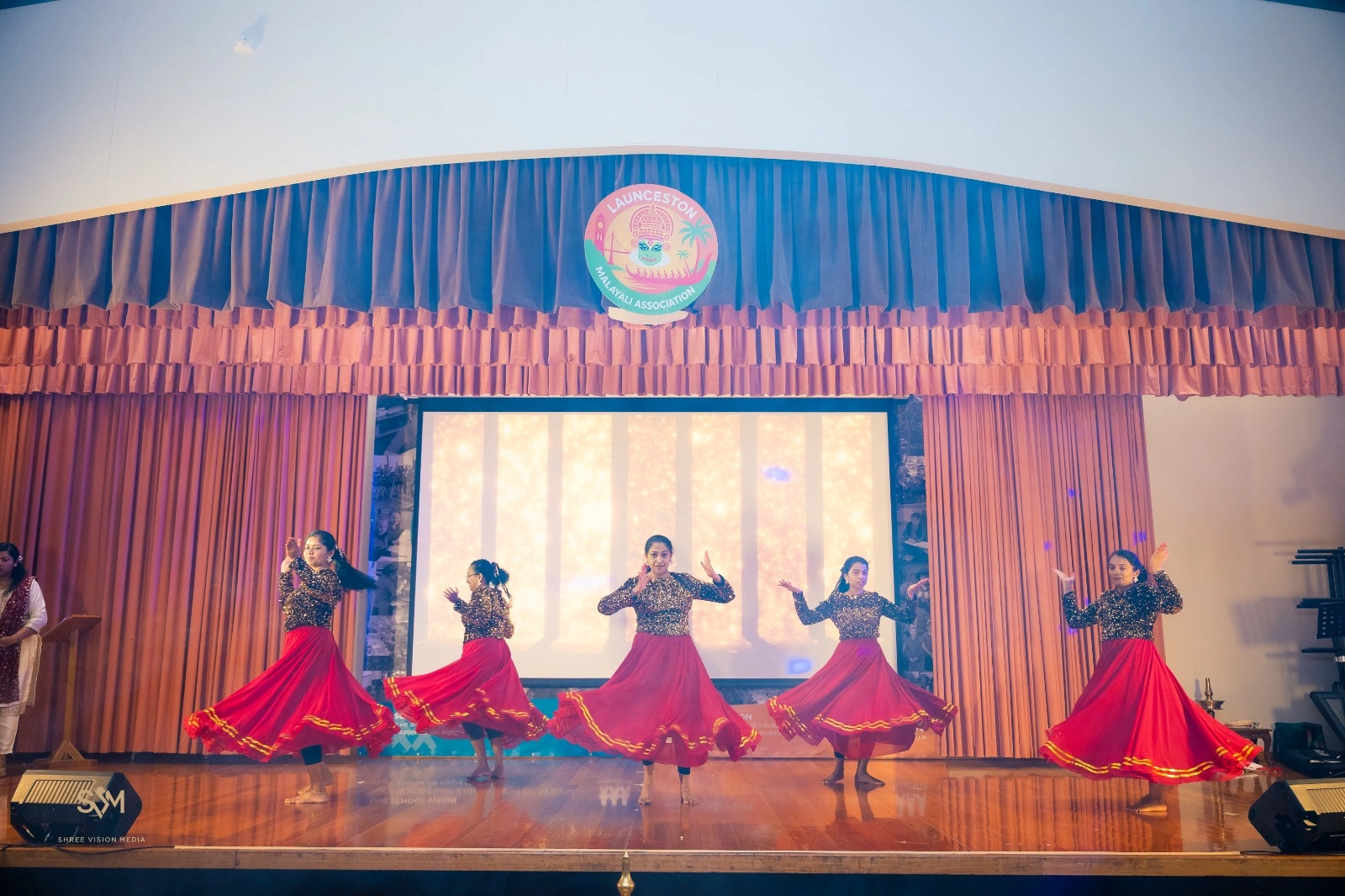
Bridging Kerala & Tasmania
Connecting Culture, Community & Home

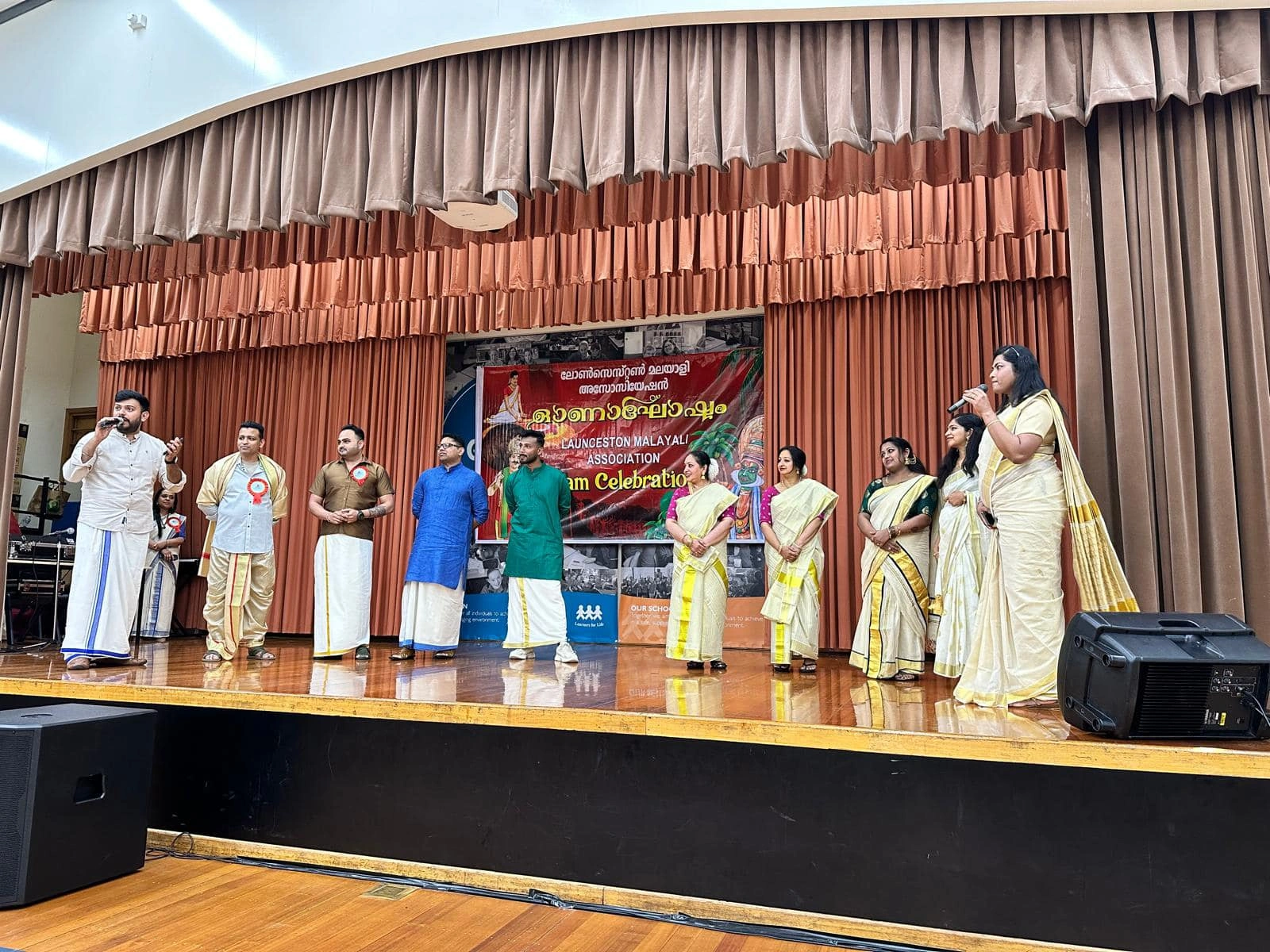
Onam 2026 with LMA!
Let us come together to celebrate Onam with joy, harmony, and pride!
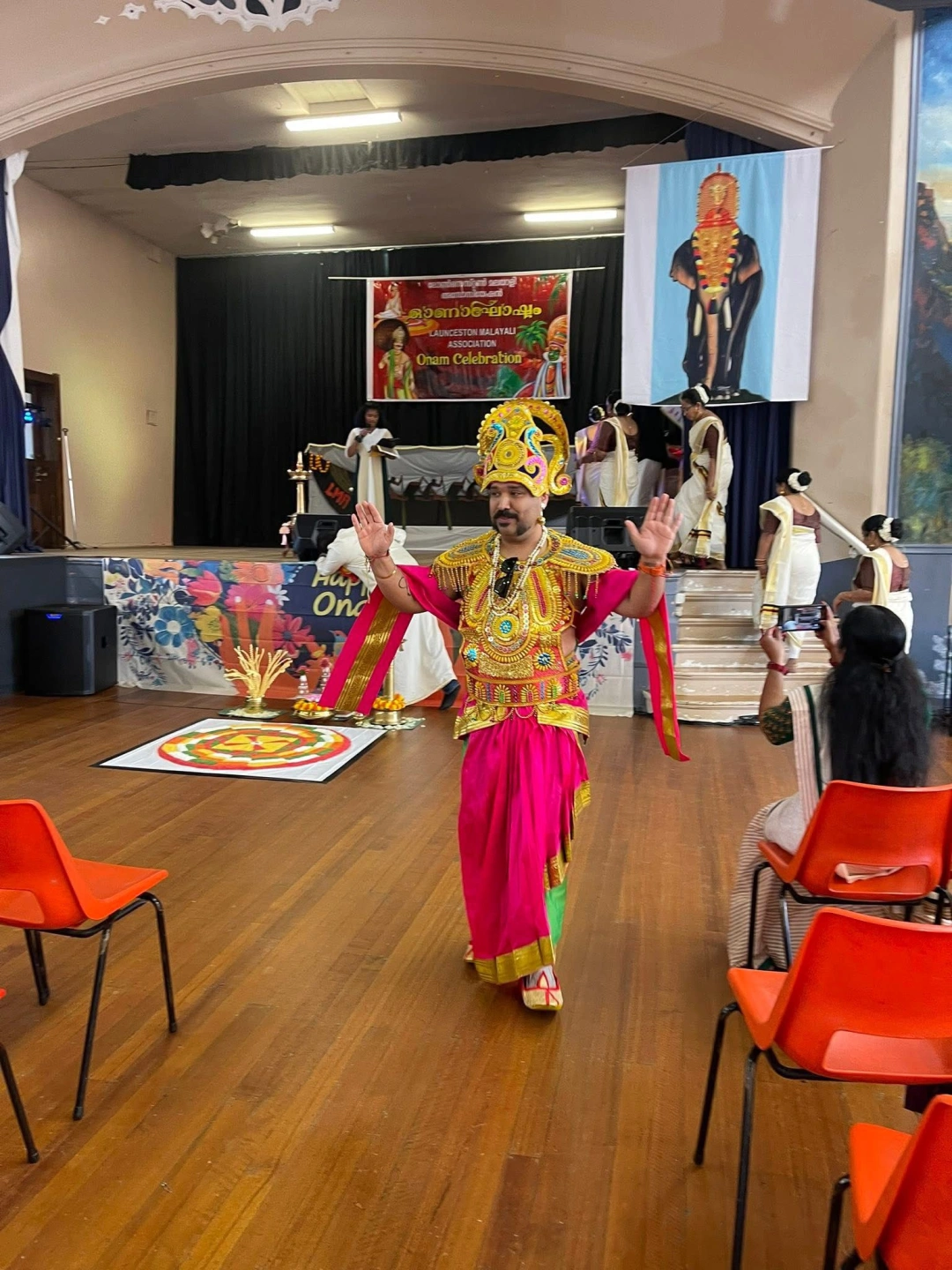
Onam is a time of joy, unity, and cherished traditions for Malayalis around the world. It marks the homecoming of the legendary King Mahabali and celebrates the spirit of prosperity, equality, and togetherness.
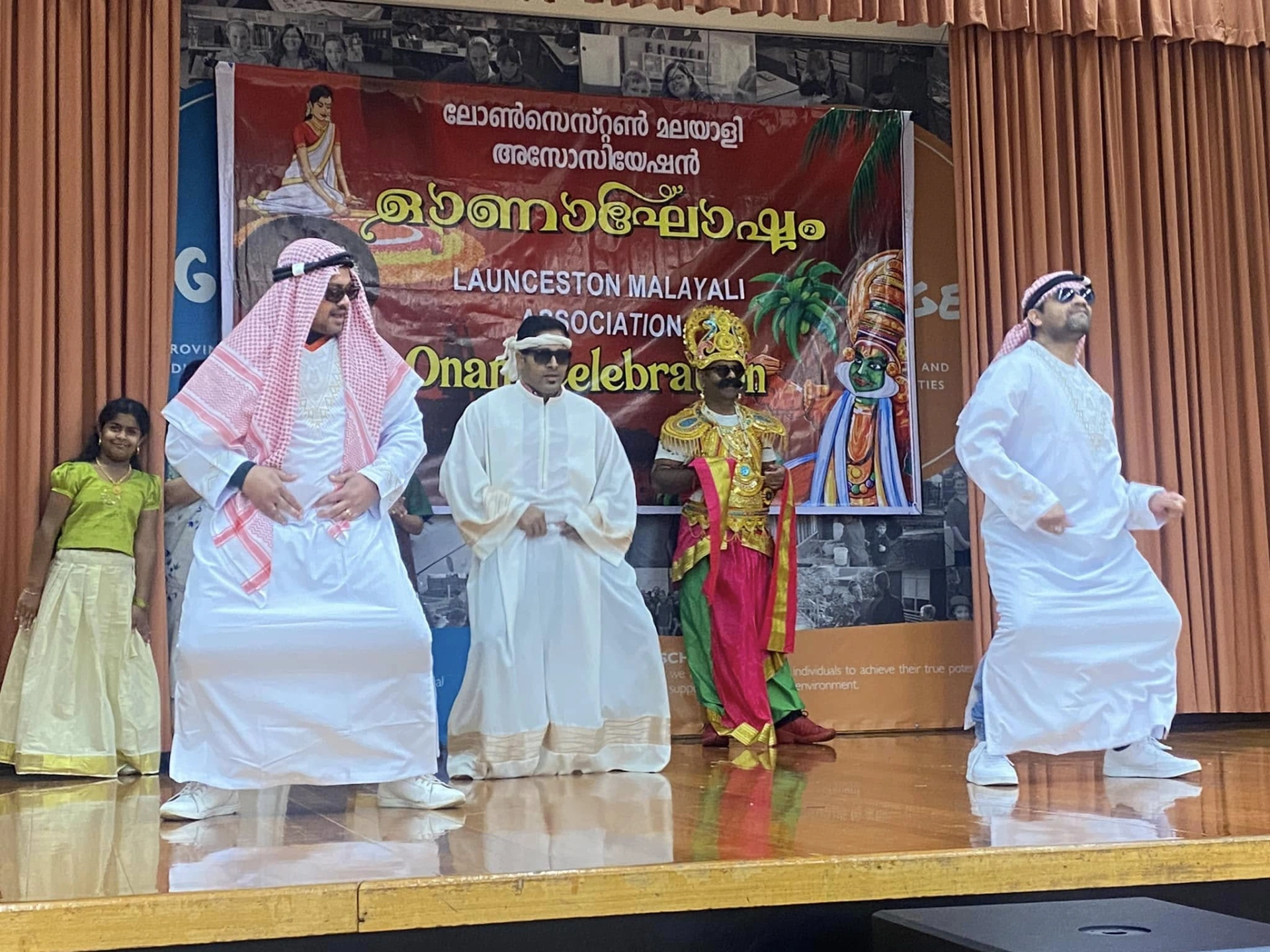
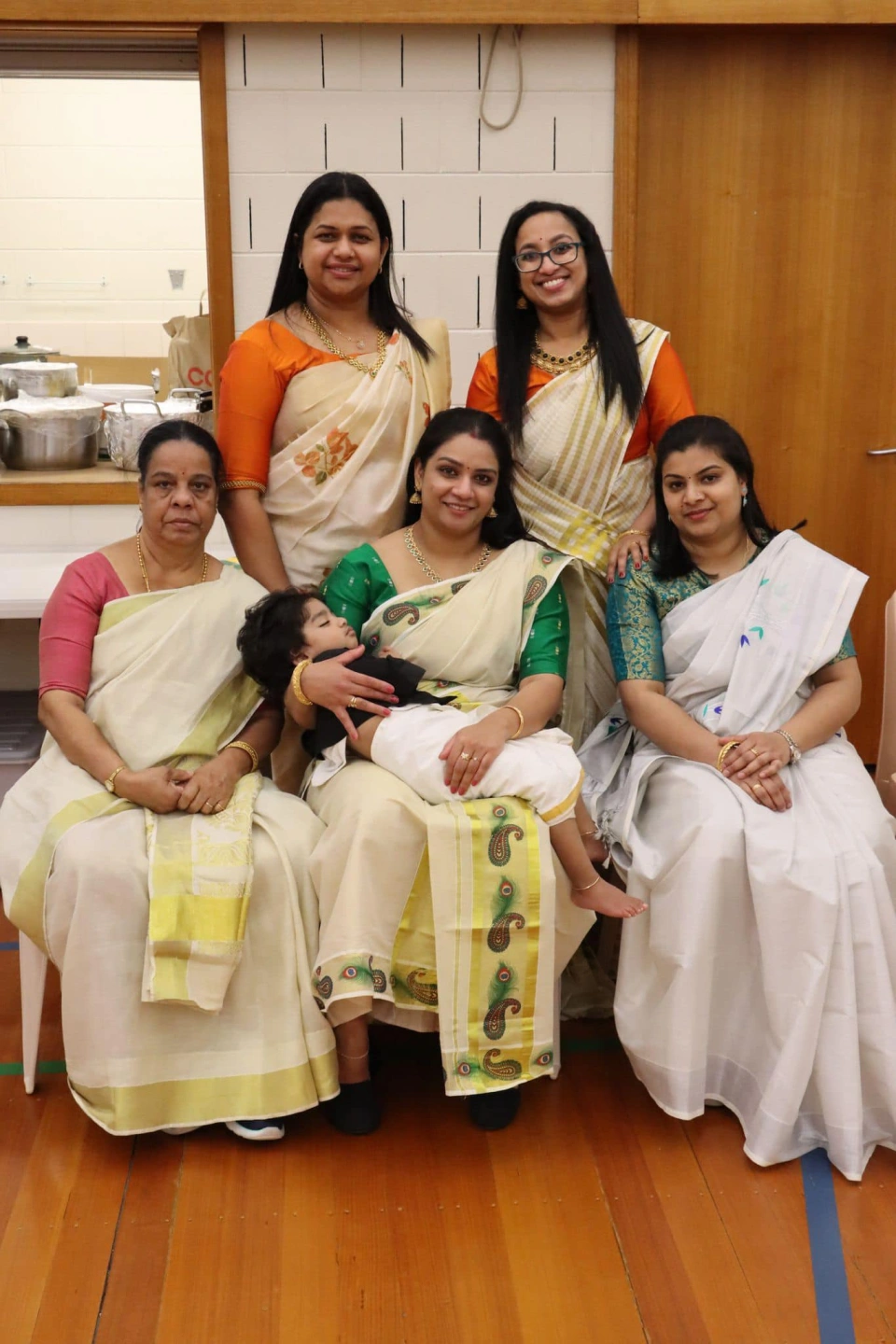
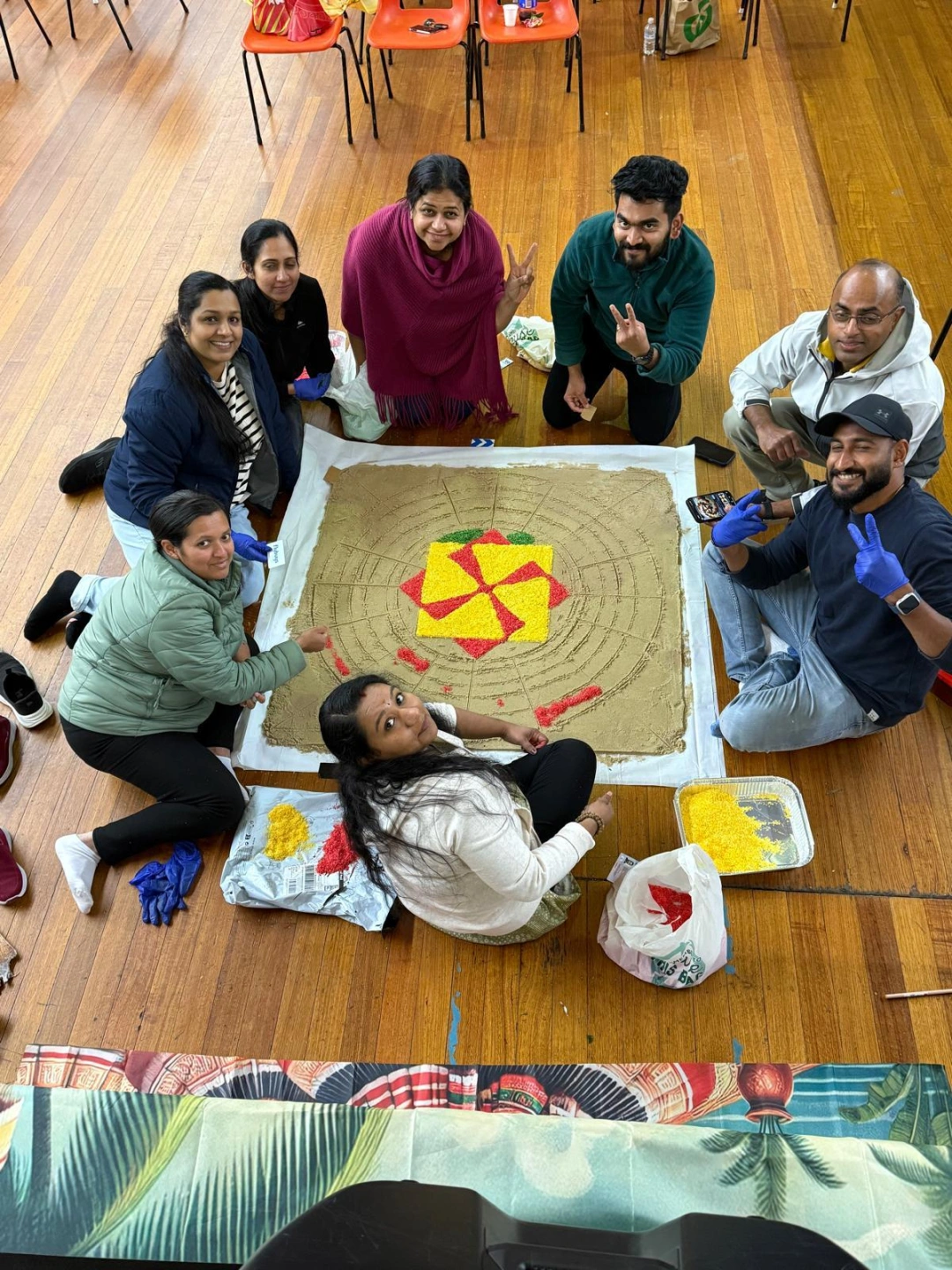
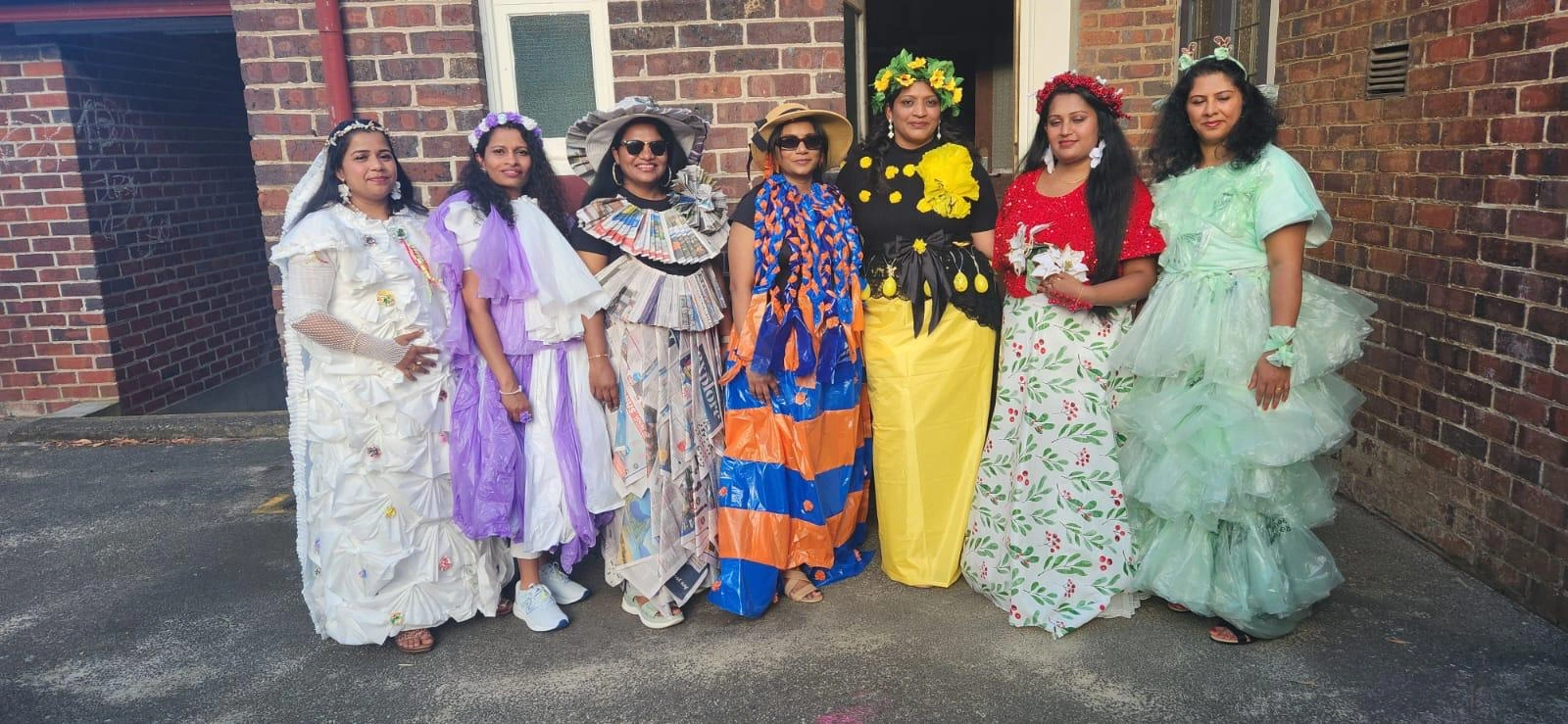
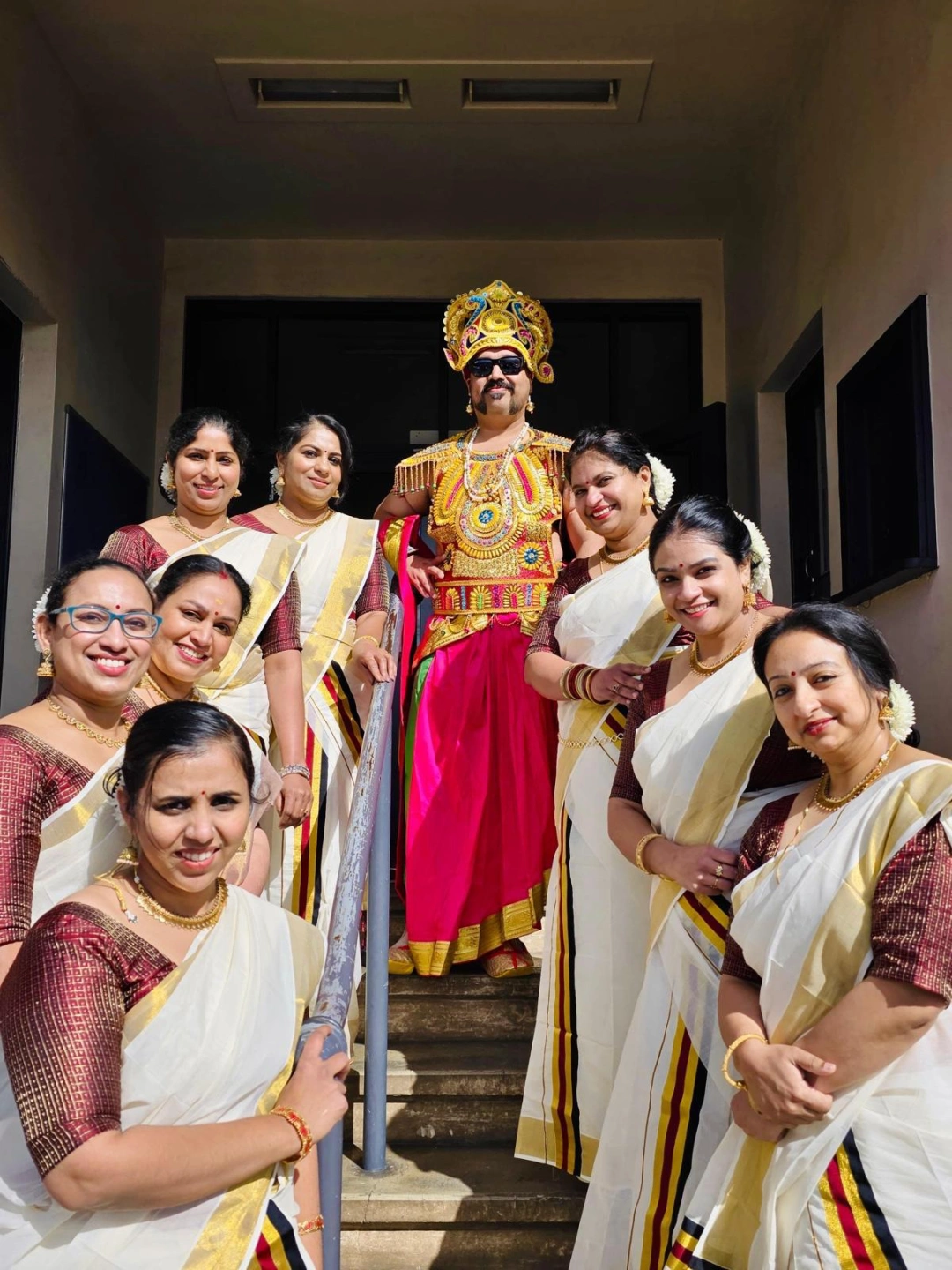
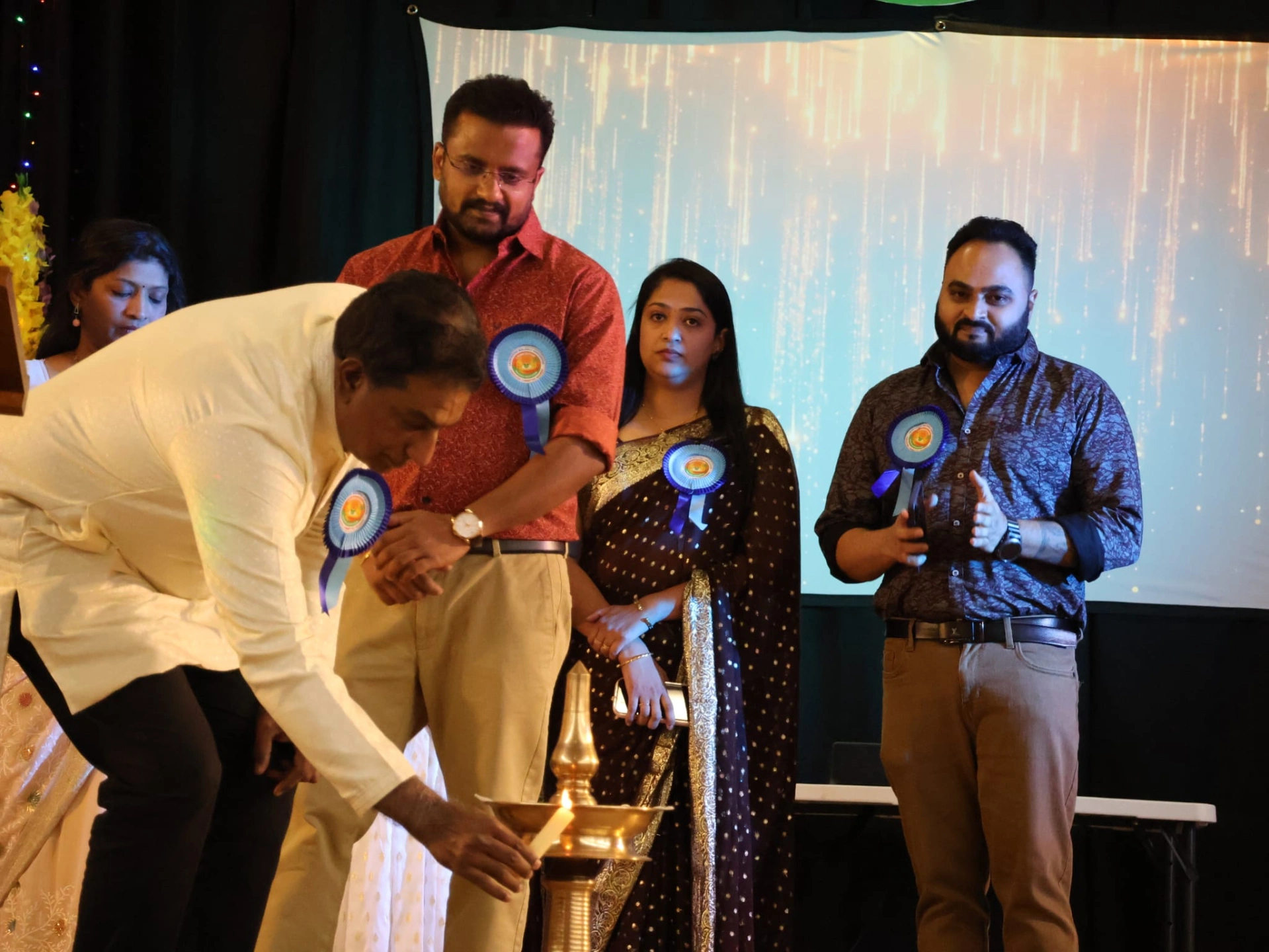
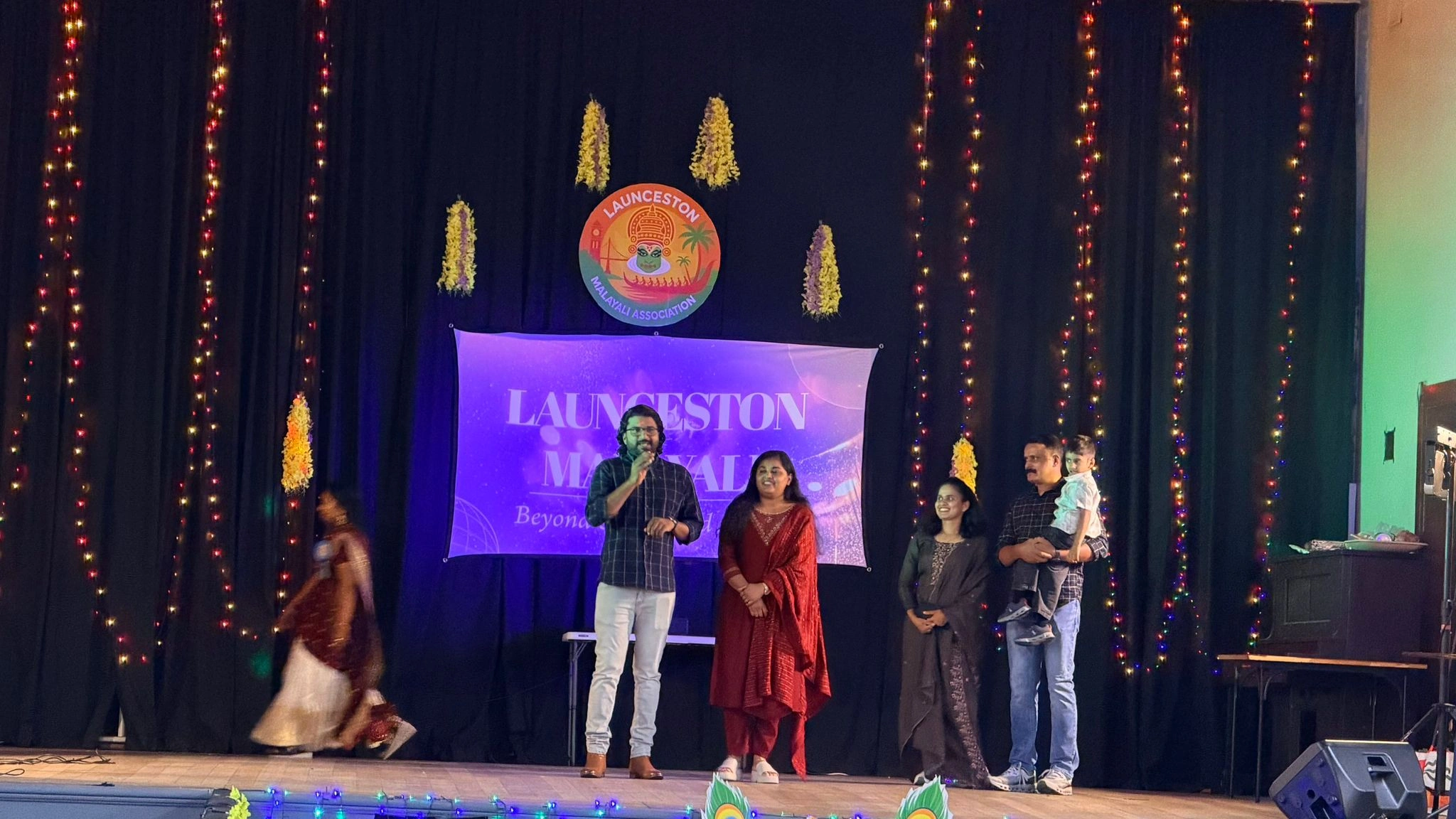
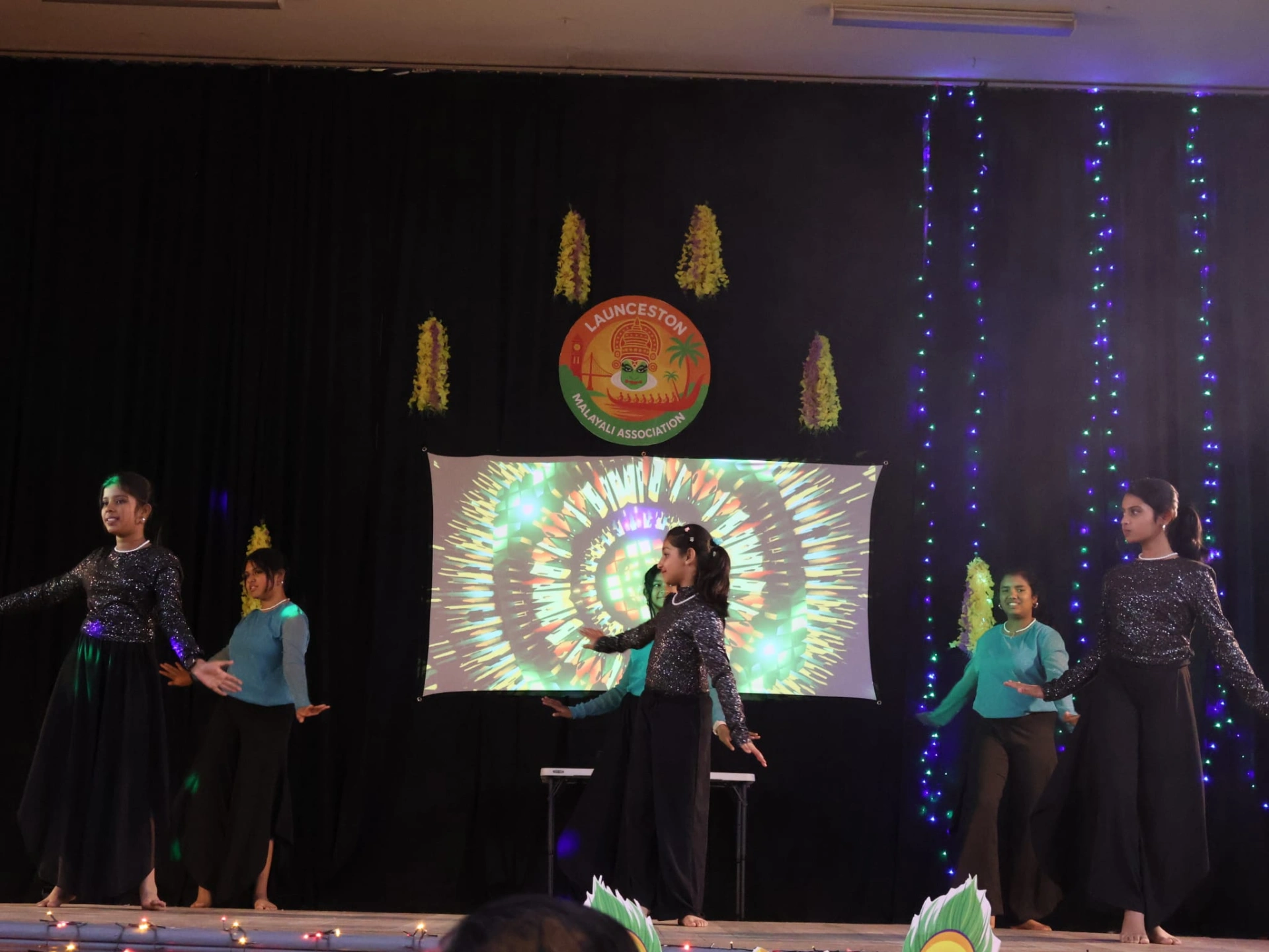
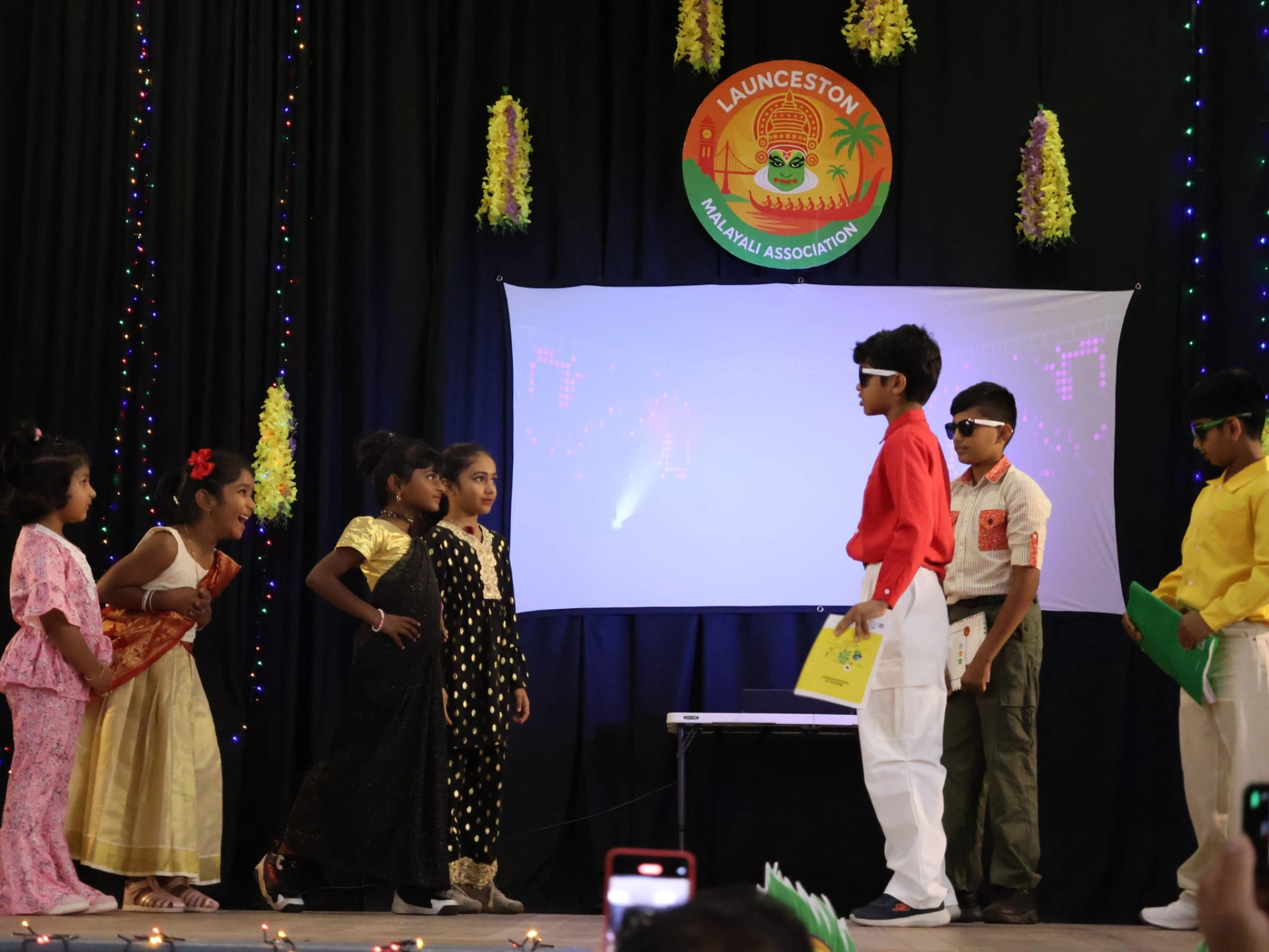
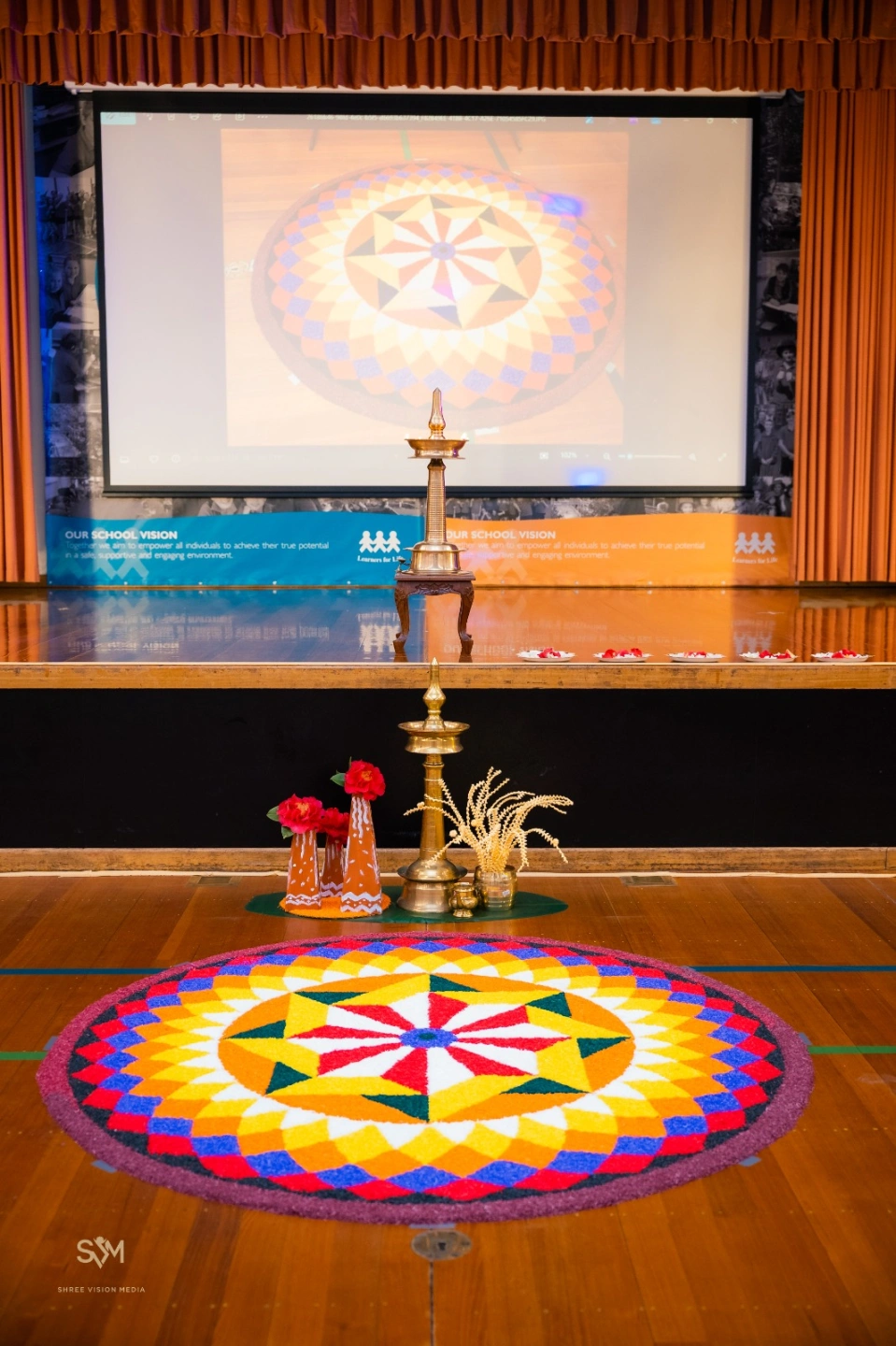
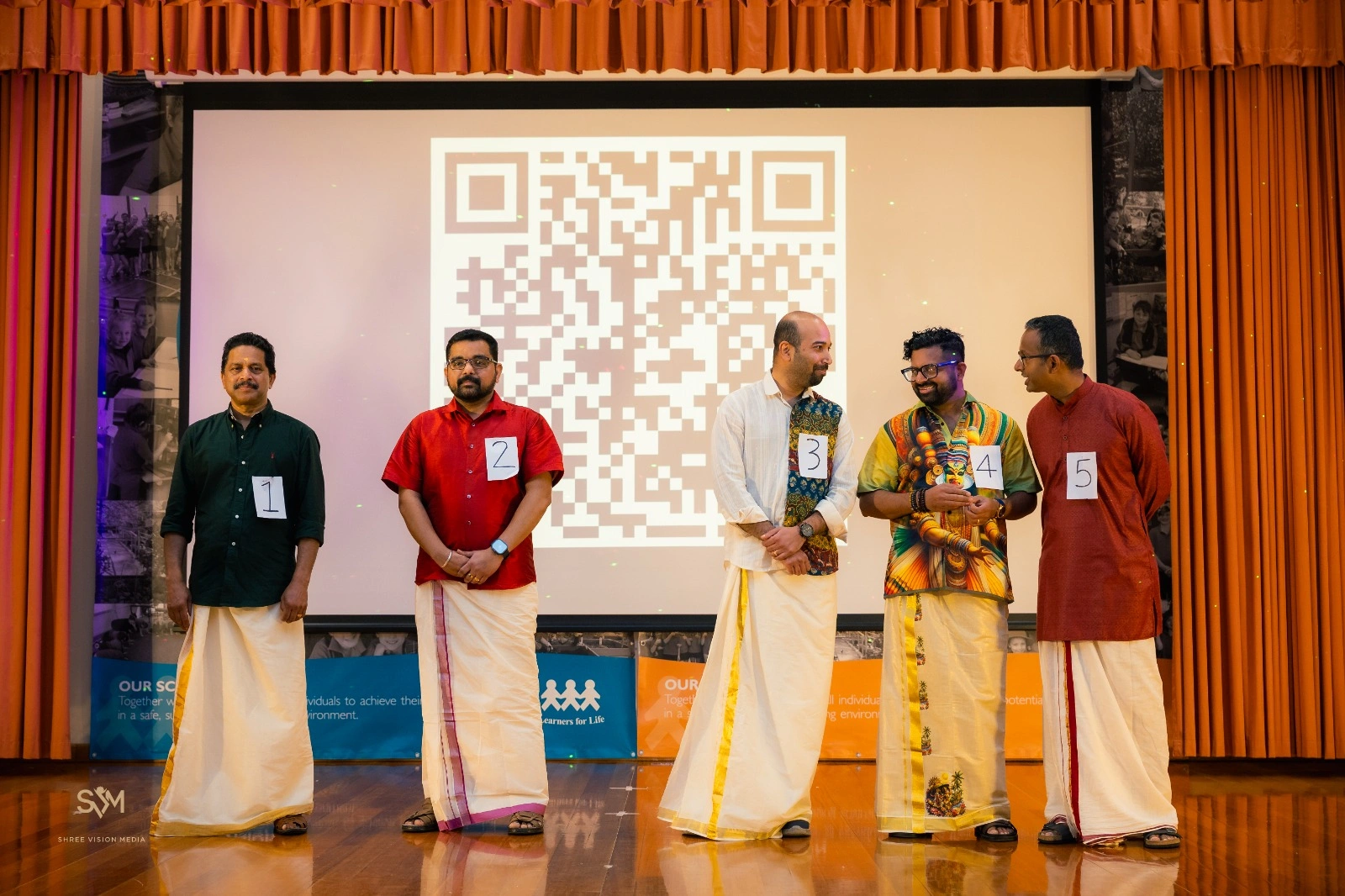
The Launceston Malayali Association warmly invites you to join our vibrant Onam celebrations, where we bring the essence of Kerala to our community here in Launceston. Through traditional floral decorations (Pookalam), cultural performances, music, dance, and the grand Onam Sadya, we come together to relive the beauty and values of this cherished festival.
This celebration is not just about honoring tradition, but also about strengthening bonds, creating memories, and sharing our rich heritage with the wider community.

About us
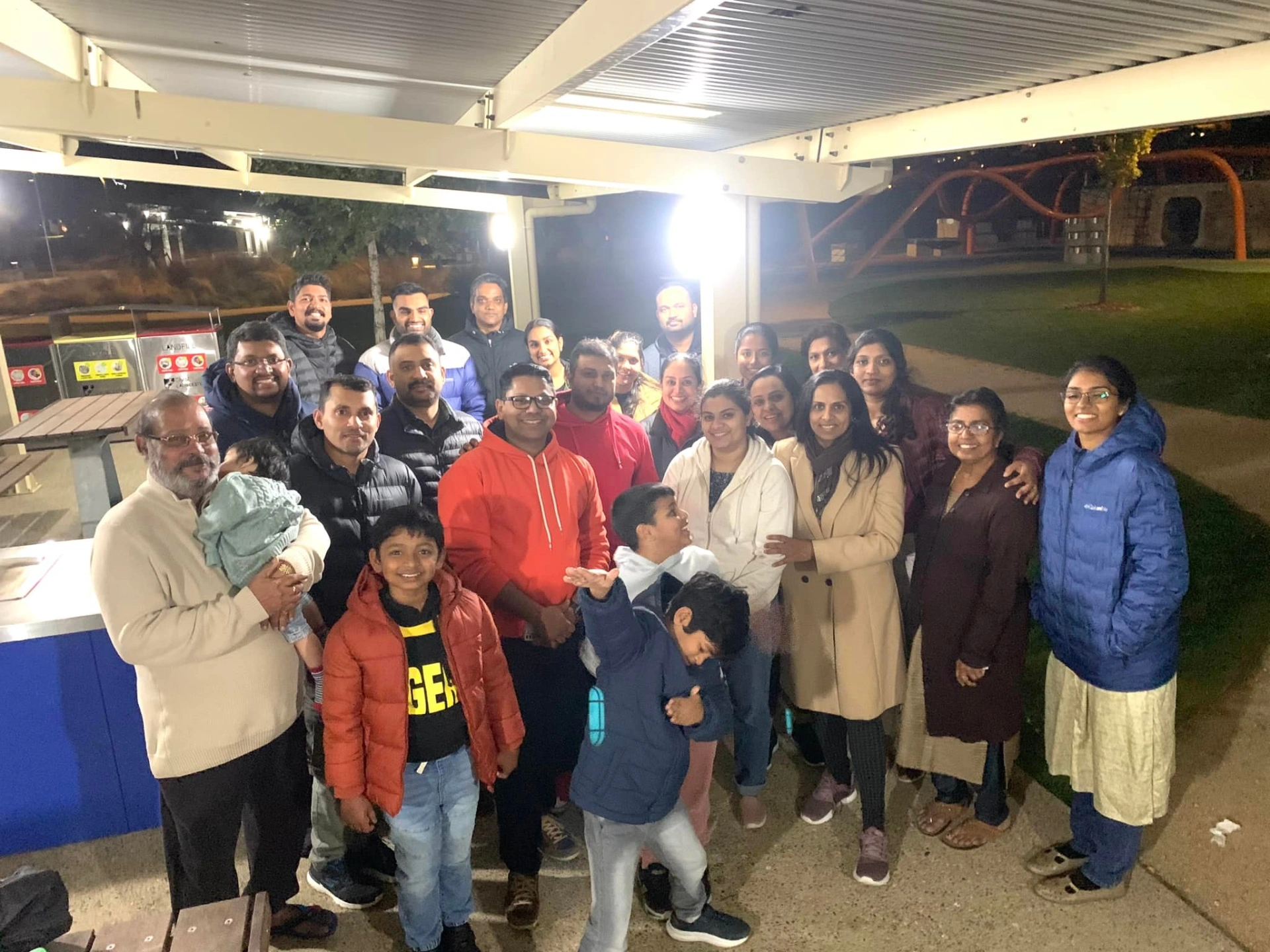
Launceston Malayali Association (LMA) is one of the pioneering Indian–Malayali cultural organisations in Tasmania, Australia. Established to preserve and promote the rich cultural heritage, traditions, and values of Kerala, LMA serves as a vibrant community hub for Malayali's living in Greater Launceston Region.
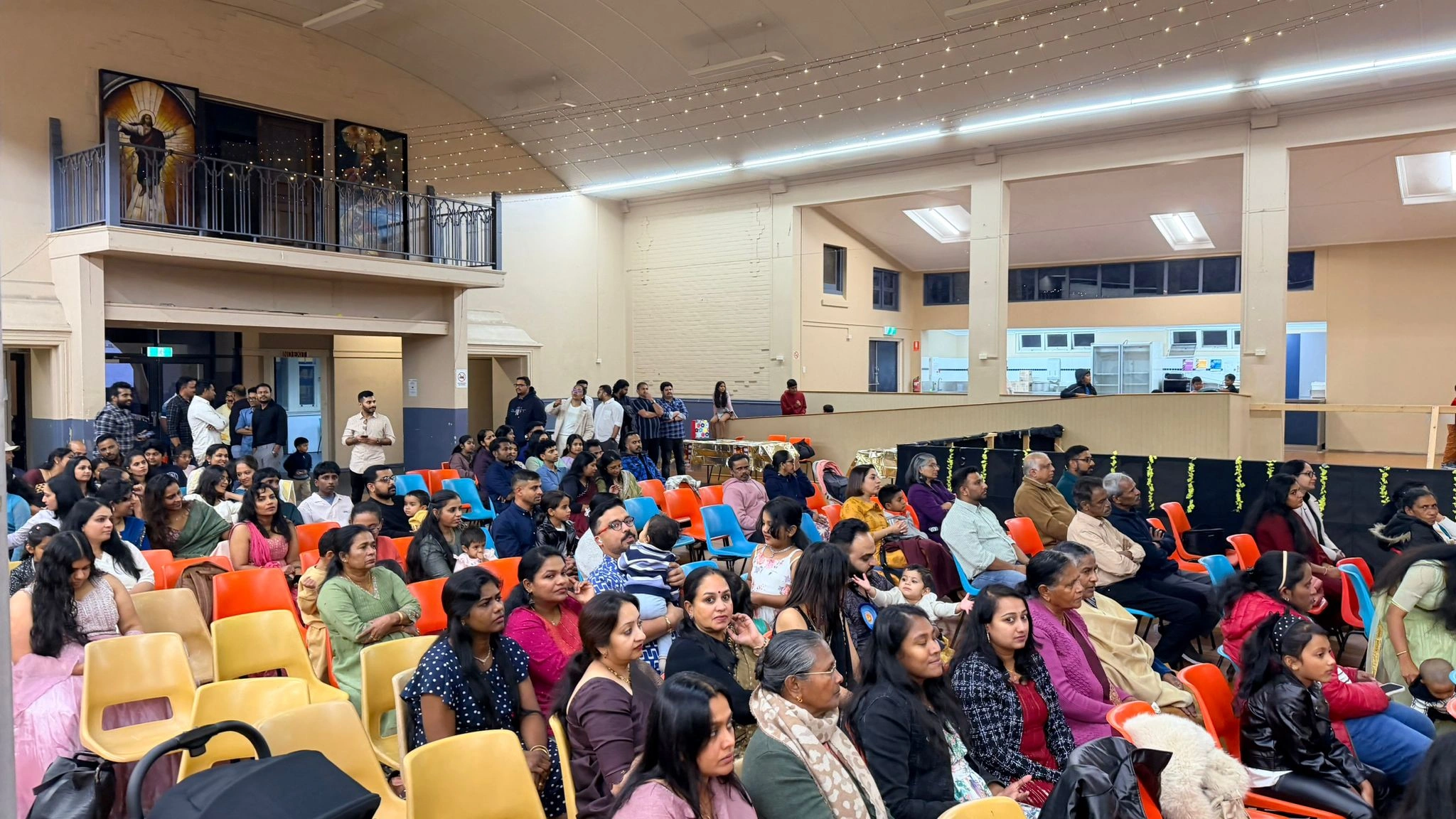
For more than a decade, LMA has played a significant role in strengthening community bonds, supporting new migrants, students and creating meaningful opportunities for cultural expression. Through festivals, arts, educational initiatives, and community engagement programs, the association fosters cultural exchange, social cohesion, and a strong sense of belonging within the broader Tasmanian society.
Launceston Malayali Association was founded with a clear and enduring vision: to serve as a cultural and social home for the Malayali community living in and around the Greater Launceston Region. As one of the pioneer Indian associations in Tasmania, Australia, LMA has played a significant role in bringing together the Malayali diaspora and supporting their integration into Tasmanian and Australian society while preserving their cultural roots.
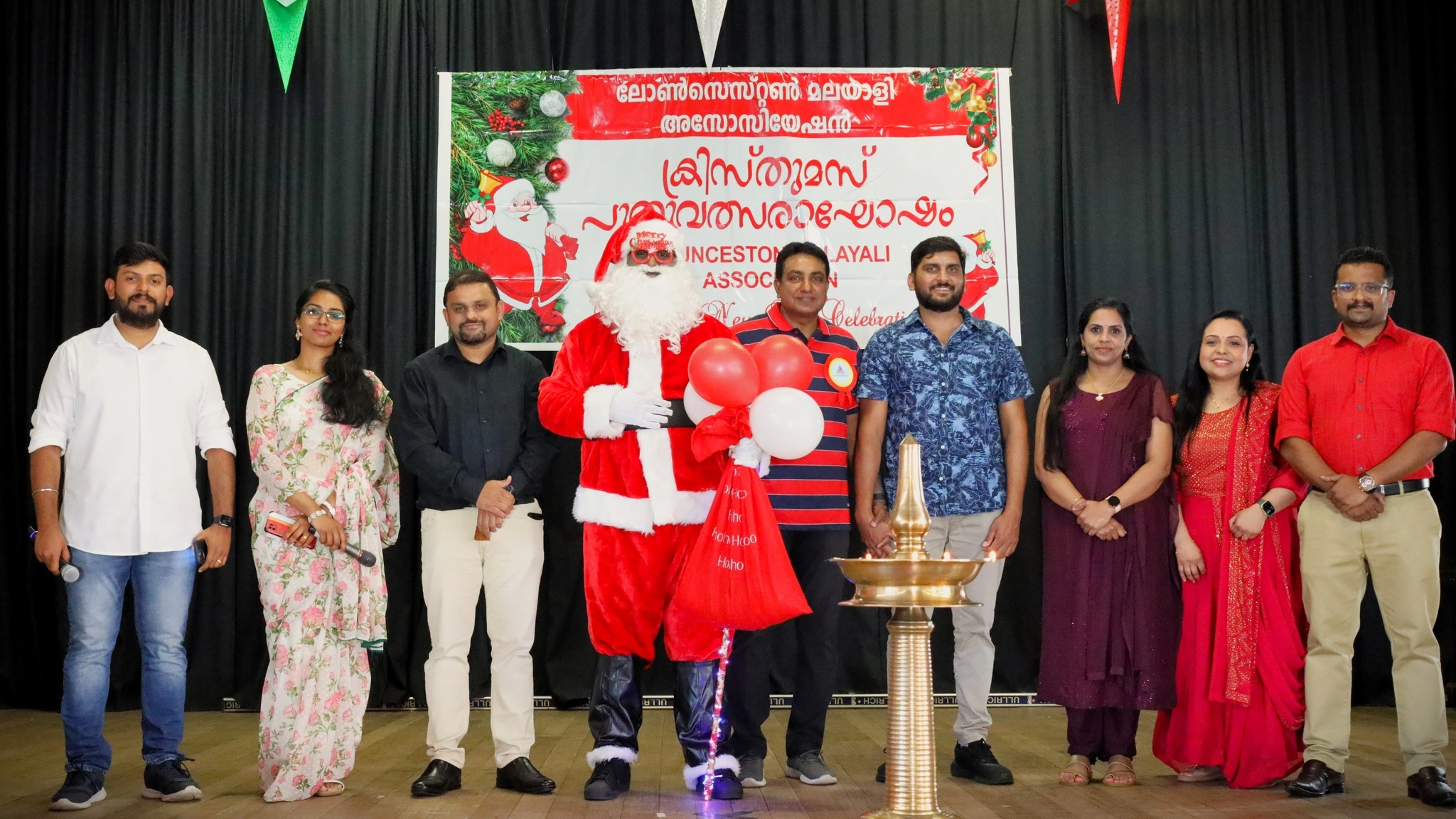
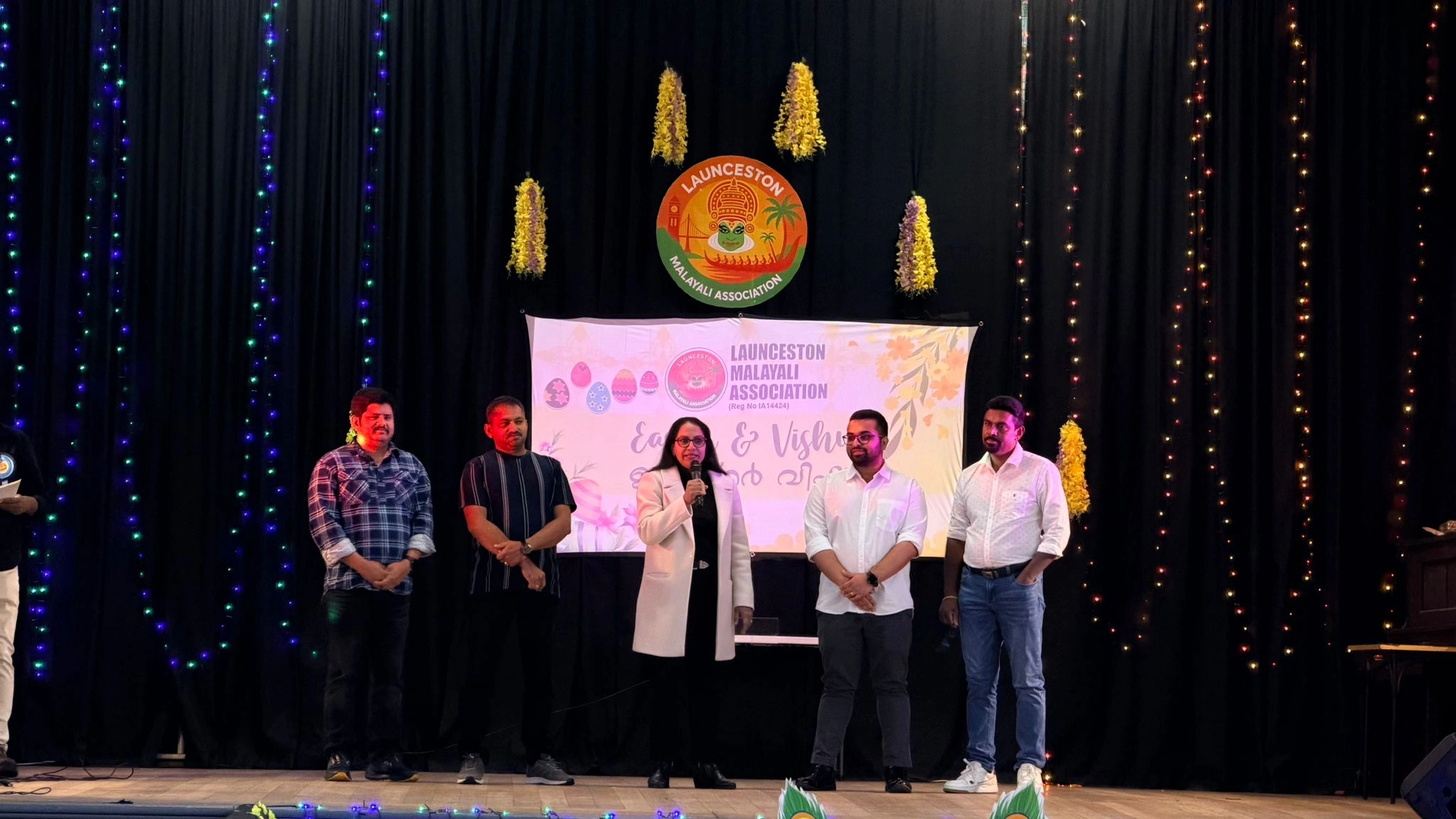
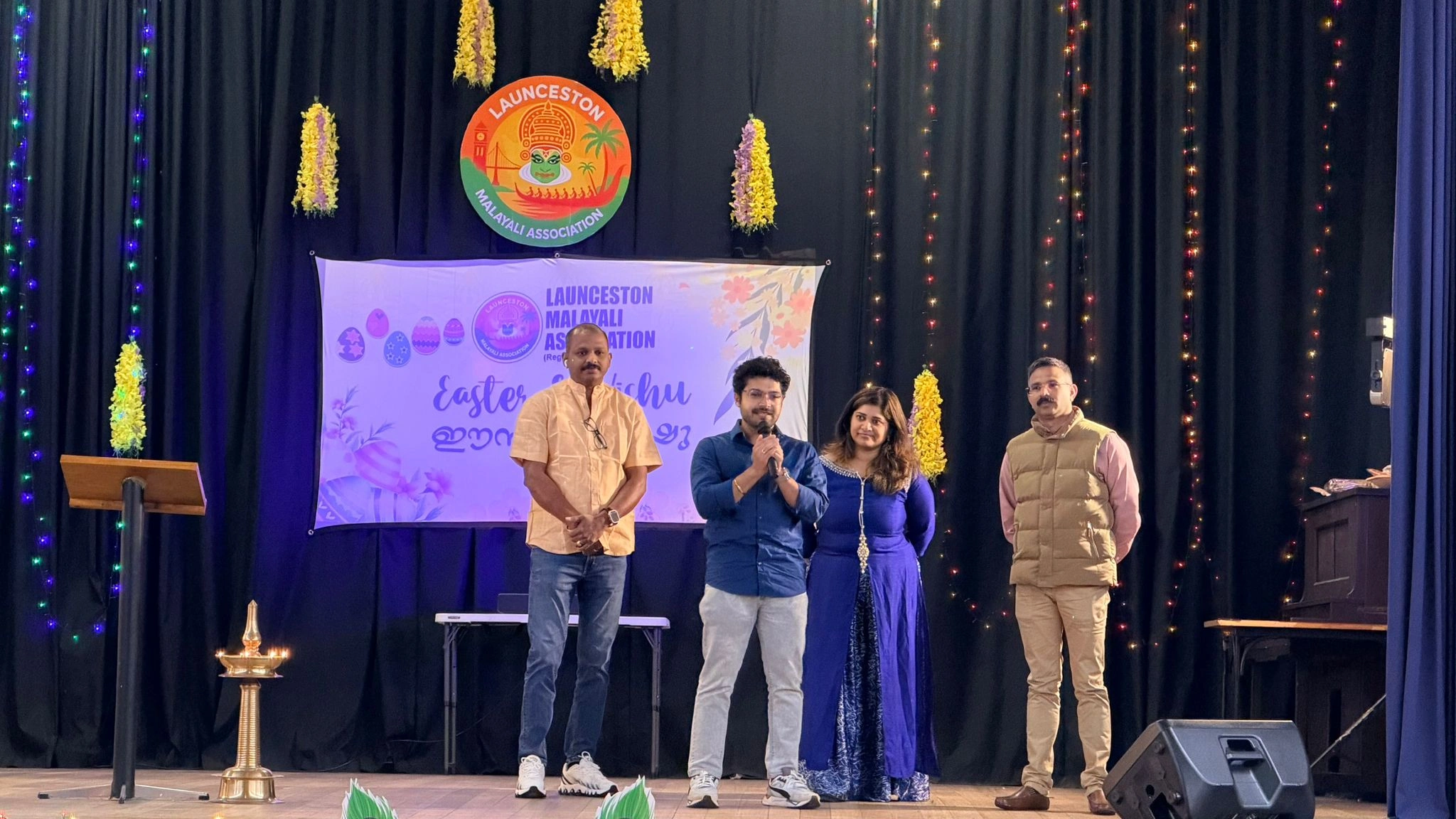
Registered under the Tasmanian Incorporated Association System, the Launceston Malayali Association (LMA) has always remained secular in its outlook and inclusive in its functioning. Over the years , it has grown into a well established cultural organisation dedicated to enriching the social lives of Malayalis. Through regular celebrations of traditional festivals such as Easter-Vishu, Onam, Christmas and New Year LMA actively promotes India’s rich cultural heritage and fosters a strong sense of togetherness, truly living up to the spirit of “Home away from Home.”
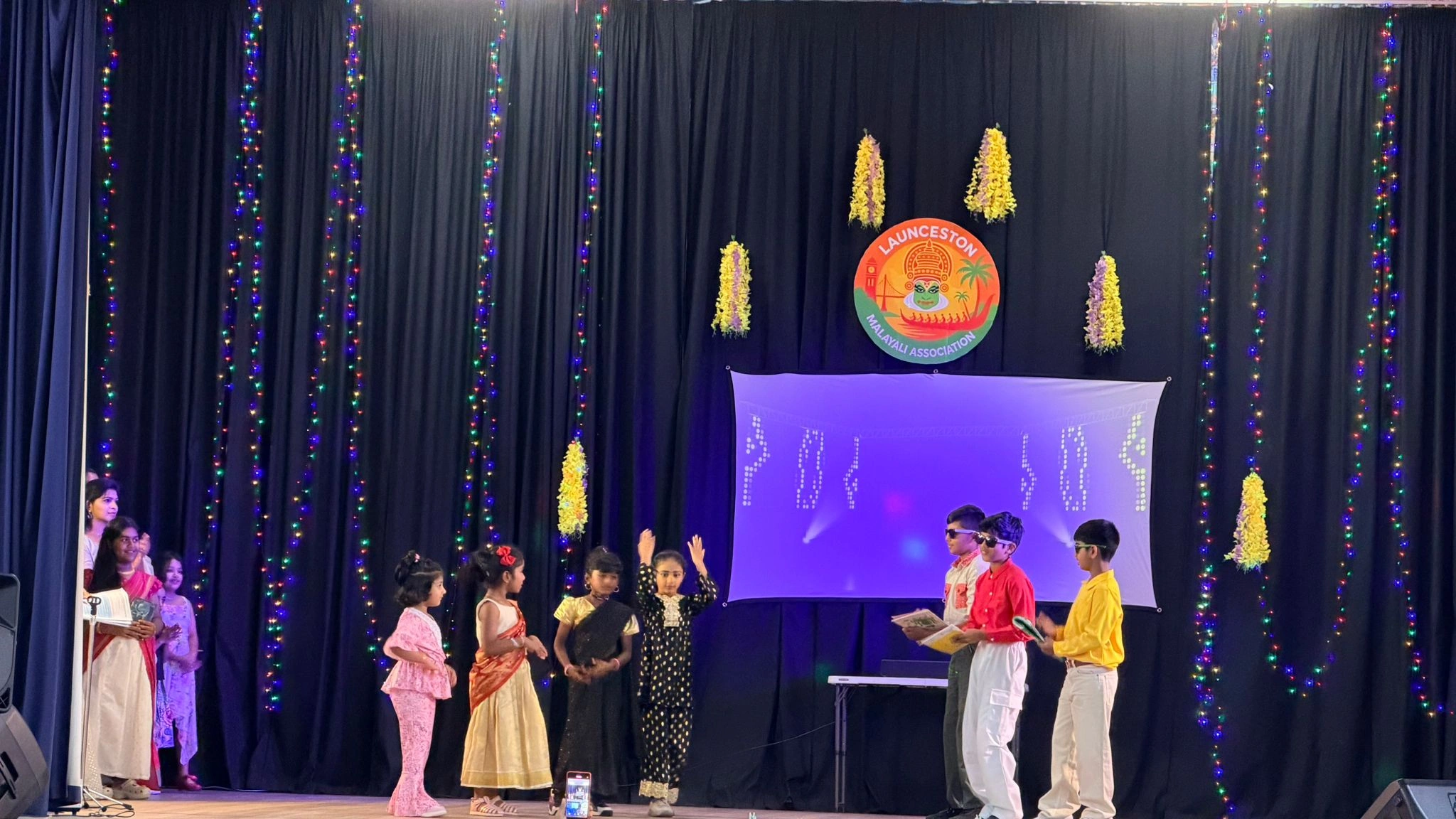
Beyond celebrations, the Launceston Malayali Association (LMA) has consistently focused on nurturing the younger generation and instilling in them a sense of belonging to Indian culture and values. Today the Launceston Malayali Association (LMA) stands as a respected cultural and service-oriented organization, committed to strengthening community bonds, supporting cultural continuity, and helping Malayali's feel connected both to their heritage and to their life in the Greater Launceston Region.
Our Vision
Cultural Preservation
Maintaining and promoting the rich traditions, language, and customs of Kerala for future generations.
Community Unity
Building strong bonds among Malayali families and creating a supportive network in the Greater Launceston Region.
Cultural Bridge
Serving as a bridge between Kerala and Australian / Tasmanian cultures, fostering mutual understanding and respect.
Regular Engagement
Organizing year-round events, festivals, and educational programs to keep our community connected.

From the President’s Desk
Building Our Community Together
Dear Members and Friends,
Warm greetings to you all. As your President, I am deeply honored to serve our vibrant community here in Launceston. Our mission is to keep the rich cultural heritage of Kerala alive while fostering a welcoming, supportive environment for all Malayalis in Tasmania . We are a registered organisation and we achieved it in 2025.
Our strength lies in our unity and our shared values. Through upcoming cultural events and social gatherings, we aim to provide a space where our children can connect with their roots and where new members feel immediately at home. I encourage everyone to actively participate, share ideas, and contribute to the warmth of our communities. We will strive to integrate with our sister communities in Hobart HMA and MAT and work together to bring you events and celebrations as they happen .
Let us work together to strengthen our bonds and make this association a home away from home.
Warm regards,
Dr. Krishnakumar Kalpurath
President, Launceston Malayali Association
LMA Executive Committee
The Executive Committee of the Launceston Malayali Association is committed to promoting unity and preserving our cultural heritage. We strive to serve our community with dedication, integrity, and inclusiveness.

Dr Krishnakumar Kalpurath
President

Sarath Babu Sasi
Secretary

Anand Ravi
Treasurer

Mrs Keerthi Anish
Member, Executive Committee

Mrs Minu Nebu
Member, Executive Committee

Mr. Prasanth Parthan
Member, Executive Committee

Mrs Prima Teny
Member, Executive Committee

Mr Sebastian T. D.
Member, Executive Committee

Mr Tom D. K.
Member, Executive Committee

Amal Ravi Sankoorikkal
Associate Member
LMA's Onam Celebrations 2026
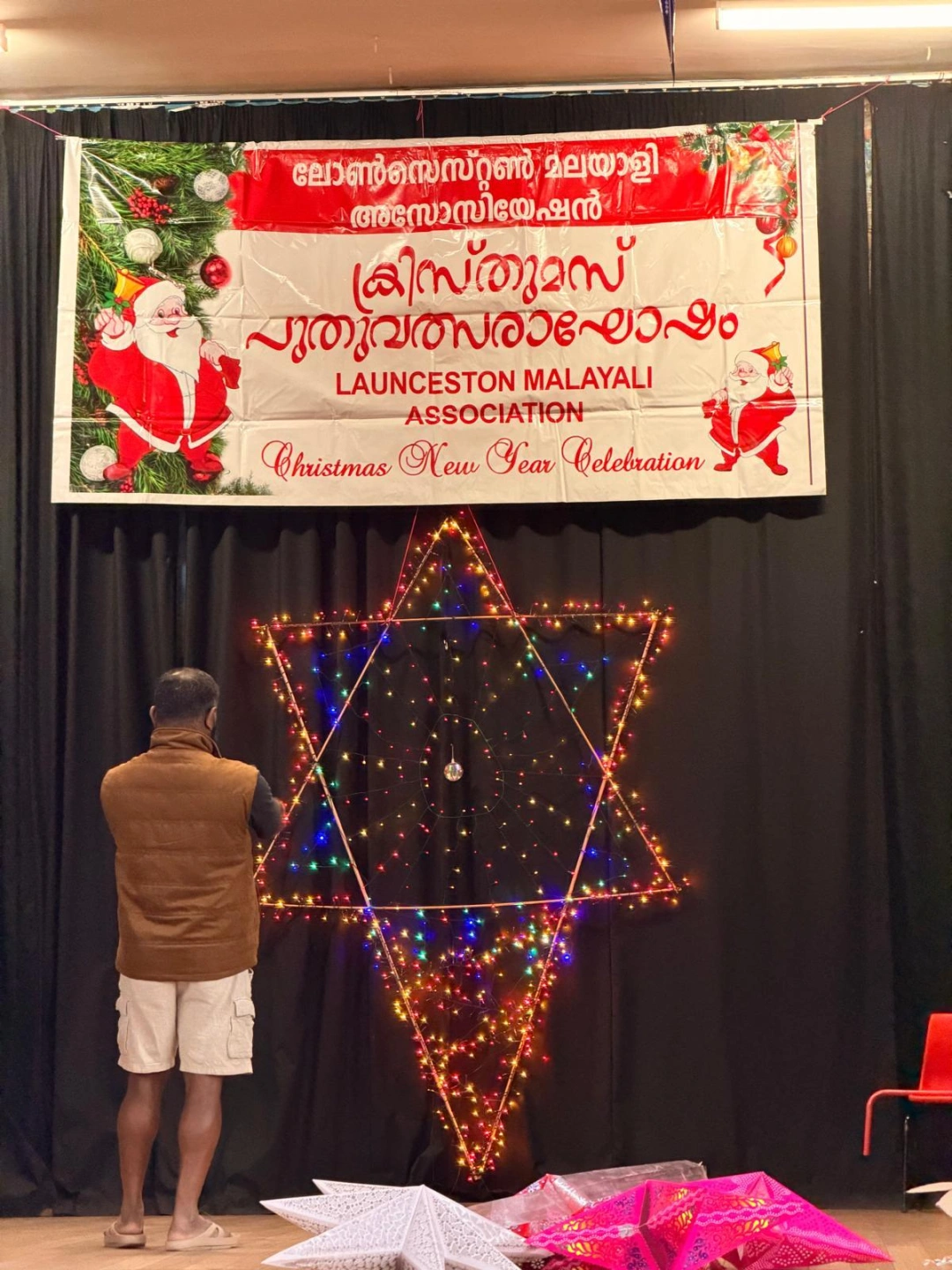
Counting down to Christmas & New Year 2026 — get ready to celebrate together!
Date : 19.12.2026.
Time : 06.00 P.M.
Venue : Summerdale School Auditorium 82-84 Stanley St, Summerhill
Events Schedule
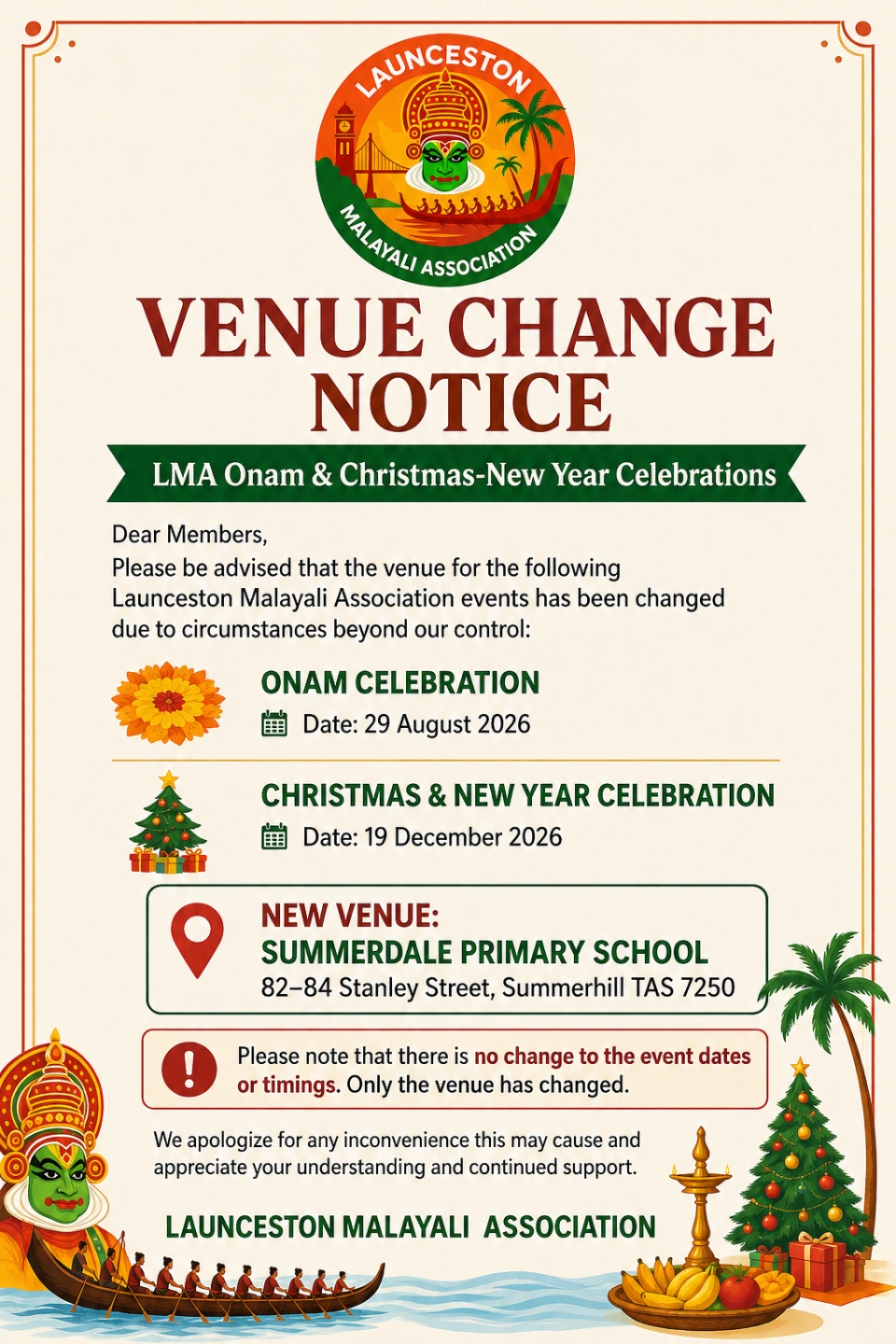
LMA Events Venue Change Notice

Beyond the Association
Kerala Flood Relief – 2018
During the devastating Kerala floods of 2018, the Launceston Malayali Association (LMA) stood united in support of the people affected by one of the worst natural disasters in Kerala’s history.
LMA took an active leadership role within the local community by organising awareness initiatives and engaging residents, families, and well-wishers across Launceston to contribute towards relief efforts. The association coordinated fundraising activities with the aim of providing meaningful assistance to those impacted by the floods and landslides across Kerala.
Thanks to the generosity and collective effort of the community, LMA successfully raised and donated AUD $10,000 to the Kerala Chief Minister’s Disaster Relief Fund (CMDRF) to support emergency response, rehabilitation, and recovery initiatives.
This effort reflected the core values of LMA — unity, compassion, community service, and standing together during times of crisis. The association remains committed to supporting humanitarian and welfare initiatives both locally and internationally whenever communities are in need.
Living in Launceston
Access helpful resources covering settlement guidance, consular and NORKA support, and essential emergency services.
Welcome to your ultimate guide to settling, living, and thriving in Launceston! Whether you are a newly arrived student, a professional embarking on a new career, or a family making this beautiful Tasmanian city your forever home, the Launceston Malayali Association (LMA) is thrilled to welcome you to our community.
Moving to a new country—or even moving interstate—is an exciting milestone, but we know it comes with a long list of questions and to-dos. From understanding local biosecurity laws before you land to finding your favorite spices, navigating the healthcare system, and setting up your daily life, there is a lot to take in.
To make your transition as smooth and stress-free as possible, we have put together this comprehensive, step-by-step directory. Think of it as your local roadmap, curated by Malayalis who once stood exactly where you are standing now.
Explore the sections below to find everything you need:
Before You Arrive / Landing
Get ready for your journey. Learn about Tasmania’s strict biosecurity rules, how to navigate your arrival via Launceston Airport or the Spirit of Tasmania, and what to pack to conquer the Tasmanian winter.
- Weather & Climate in Launceston
- Safety & Lifestyle in Launceston
- What is Bio-security? How does it affect your travel?
- Living in Launceston (Accommodation)
The First Weeks (Essential Checklists)
Hit the ground running. This section covers your absolute essentials, including setting up your banking, arranging your necessary healthcare check-ups, and keeping emergency contact numbers handy.
- Apply for a Tax File Number (T.F.N.)
- Open a Bank Account
- Register for Medicare
- Health Undertaking Services (T.B. Screening)
- Enrol your children in school
- Register with Centrelink (if eligible)
- Register for English Classes
Settling In & Daily Life
Make Launceston feel like home. Find practical advice on securing a rental property, a guide to local suburbs, where to find Indian groceries, schooling for your children, and tips for getting your Australian driver's license.
- Living in Launceston (Work & Groceries)
- Living in Launceston - Travel
- Apply for an Australian Driver's License
Culture & Community Support
Stay connected to your roots while embracing your new home. Access vital information on Indian Consular services, welfare support for Non-Resident Keralites (NORKA), and ways to get involved in local sports, cultural events, and community activities.
- Indian Consular Services (Victoria & Tasmania)
- Support for Non-Resident Keralites
- Emergency Services in Australia & Tasmania
- Healthcare Services in Launceston
- Sports & Activities in Launceston
A Note from the LMA Team: > Remember, you are not alone in this journey. Our community is built on mutual support and warmth. If you ever feel overwhelmed or just want to hear a familiar language, reach out to us. Welcome to Launceston—your new home away from home!
Launceston has a temperate climate with four distinct seasons. For newcomers, especially those coming from warmer regions, the weather can feel quite different—particularly during winter.
Summer (December – February)
Summers in Launceston are generally mild to warm, with temperatures typically ranging between 20°C and 30°C. Some days can get hotter, but extreme heat is uncommon. Light clothing such as t-shirts, dresses, and shorts are suitable, along with sunscreen and hats for sun protection.
Autumn (March – May)
Autumn brings cooler temperatures and beautiful seasonal colours across the city. Days are usually pleasant, but mornings and evenings can be chilly. Light jackets, sweaters, and layered clothing are recommended.
Winter (June – August)
Winter is the coldest season, with temperatures often ranging from 2°C to 12°C. Early mornings can be quite cold, and frost is common. While snowfall in the city is rare, nearby highland areas may experience snow. Warm clothing is essential—this includes heavy jackets, thermals, gloves, scarves, and beanies. Indoor heating is widely used during this time.
Spring (September – November)
Spring is a transitional season with gradually warming temperatures and occasional rain. The weather can be unpredictable, so layering is key. Light jackets and waterproof clothing are useful during this period.
What to Bring
* Warm winter wear (jackets, thermals, woollen clothing)
* Comfortable layered clothing for changing conditions
* Rain jackets or umbrellas for wet days
* Sun protection (hat, sunglasses, sunscreen) for summer
Overall, Launceston’s climate is comfortable and enjoyable once you are prepared. Dressing in layers is the best approach to stay comfortable throughout the year.
Tasmania’s weather can change quickly, so it is helpful to check daily forecasts.
Weather updates can be accessed through the Bureau of Meteorology website or weather mobile apps.
Launceston offers a peaceful and welcoming environment, making it an ideal place for families, students, and professionals alike. The city combines the convenience of urban living with the charm of a close-knit regional community.
Safety
Launceston is generally considered a safe city with relatively low crime rates compared to larger metropolitan areas in Australia. Most neighbourhoods are quiet and family-friendly, allowing residents to feel comfortable going about their daily routines.
As with any place, it’s advisable to follow basic safety practices—locking homes and vehicles, being aware of surroundings at night, and keeping personal belongings secure in public areas. Emergency services are reliable and accessible, with police, fire, and medical assistance available when needed.
Community Lifestyle
Life in Launceston is relaxed and community-oriented. People are friendly, approachable, and often willing to help newcomers settle in. Community groups like the Launceston Malayali Association (LMA) play an important role in creating a sense of belonging through cultural events, social gatherings, and shared activities.
Work-Life Balance
One of the key advantages of living in Launceston is the excellent work-life balance. Short commute times, less traffic, and easy access to essential services mean more time for family, hobbies, and relaxation.
Clean & Green Environment
Launceston is known for its clean air, scenic landscapes, and well-maintained public spaces. Residents enjoy access to parks, walking tracks, and natural attractions such as Cataract Gorge, which is perfect for outdoor activities and family outings.
Multicultural Environment
Although smaller than major cities, Launceston has a growing multicultural population. People from diverse backgrounds contribute to a vibrant and inclusive community, making it easier for newcomers to adapt while maintaining their cultural identity.
Lifestyle Amenities
The city offers a good mix of modern amenities and a relaxed pace of life. Shopping centres, healthcare facilities, schools, and recreational spaces are easily accessible, ensuring a comfortable and convenient lifestyle.
Overall, Launceston provides a safe, supportive, and balanced lifestyle—making it a great place for the Malayali community to live, work, and thrive.
Biosecurity Australia & Biosecurity Tasmania
If unsure, declare it!
A simple guide for Malayali families travelling from Kerala/India to Australia and then to Tasmania
Australia has some of the strictest biosecurity laws in the world. These rules protect the country’s environment, agriculture, and wildlife. New arrivals must understand what can be brought in, what must be declared, and what is strictly prohibited.
1. Biosecurity Australia (Mainland)
Travelling from Kerala/India → Any Australian Airport
Australia checks all luggage — hand and checked — for biosecurity risks.
✅ Items You CAN Bring (Often Allowed if Declared)
Commercially packaged, sealed snacks (biscuits, chips, chocolates)
Tea/coffee (sealed)
Spices (sealed, no fresh ingredients)
Medicines (with prescription)
Cosmetics & toiletries
Clothing, shoes
⚠️ Items You MUST Declare
Even if allowed, these MUST be declared on the Incoming Passenger Card:
Food of any kind (homemade or store‑bought)
Spices, masalas, pickles, powders
Ayurvedic medicines
Wooden items (including souvenirs)
Seeds, nuts, grains
Dried flowers or plant materials
Animal products (ghee, milk powder, meat, fish, eggs)
Used shoes (soil contamination)
Camping gear
Declaring does NOT mean it will be confiscated — it simply allows inspection.
❌ Items NOT Allowed into Australia
Fresh fruits or vegetables
Fresh or dried meat (including beef, chicken, fish, dried fish)
Homemade pickles, chutneys, powders
Unpackaged spices
Rice, wheat, lentils (unless commercially sealed and approved)
Plants, soil, seedlings
Eggs and egg products
Honey
If unsure, declare it.
2. Biosecurity Tasmania
Travelling from Mainland Australia → Tasmania
Tasmania has additional restrictions on top of Australian rules.
❌ Strictly Prohibited into Tasmania
Fresh fruits and vegetables
Honey and honey products
Plants, seedlings, soil
Nuts in shells
Fresh herbs
Cut flowers (some types allowed if treated)
⚠️ Must Be Declared When Entering Tasmania
Spices, powders, masalas
Rice, grains, lentils
Wooden items
Animal products
Any food item (even packaged)
Tasmania has its own biosecurity screening at airports (Launceston & Hobart).
3. Travelling Route: Kerala → Mainland → Tasmania
Step 1: Kerala / India → Mainland Australia
You must complete the Incoming Passenger Card. Declare all food, plant, or animal items.
Your bags may be:
X‑rayed
Sniffed by detector dogs
Opened for inspection
Step 2: Mainland → Tasmania (Domestic Flight)
Even though it’s a domestic flight, Tasmania treats it like a biosecurity border.
You must:
Dispose of fresh fruit/veg before boarding
Declare any food items on arrival
Pass through Tasmania’s biosecurity screening
4. Declarations You Must Make
At Mainland Australia
Declare if you are carrying:
Any food
Any plant or wood items
Any animal products
Medicines or herbal products
Soil‑contaminated shoes
Seeds, nuts, grains
At Tasmania
Declare:
Any food (even packaged)
Spices, masalas, powders
Rice, lentils, grains
Wooden items
Animal products
Failure to declare can lead to heavy fines.
Before You Pack: Important Notes for New Arrivals
Kerala Groceries Are Easily Available in Launceston
Most ingredients used in Kerala cooking are readily available in Launceston at affordable prices. There are two Kerala grocery stores (Malayalikkada) that stock:
Rice varieties
Spices and masalas
Coconut products
Snacks
Lentils, beans, and flours
Frozen items
Kerala‑specific essentials
Because of this, it is often not necessary to carry large quantities of food items from India. Please consider the risks, restrictions, and penalties involved in carrying food items versus the convenience of buying them locally.
Medication & Health‑Related Preparations
Bring Your Regular Medication (With Prescriptions)
If you take regular medication, it is strongly recommended to bring enough supply from India, along with:
A doctor’s prescription
The medication in original packaging
A simple note explaining the medical condition (optional but helpful)
Why This Is Important
It may take at least a month — sometimes longer — to:
Register with Medicare (if eligible)
Get a GP appointment
Receive new prescriptions
Private consultations are available, but medications and appointments can be expensive without Medicare.
For many families, it is more cost‑effective to bring essential medicines from India.
⚠️ Important Caution for Travellers
This guide is provided as a general reference only. It is not a complete or official list of biosecurity rules. Regulations can change at any time, and travellers are responsible for checking the latest requirements with Australian Border Force, the Department of Agriculture, Fisheries and Forestry (DAFF), and Biosecurity Tasmania. Failure to declare items may result in fines or penalties. Please use this information at your own discretion.
If unsure, declare it!
Housing options in Tasmania include:
Rental apartments or houses
Shared accommodation
Student housing
Homestay options
Popular websites to search for rental properties include:
Facebook community housing groups
Renting a House in Launceston
Finding a rental home in Launceston can be competitive, so it’s important to be prepared and informed.
Before You Rent
Inspect the property carefully (in person or via video). Check for heating, insulation, and overall condition—Tasmanian winters can be quite cold.
Understand the lease agreement—duration, rent amount, bond (security deposit), and rules.
Check included utilities (electricity, water, internet) and any additional costs.
Location matters—consider proximity to work, schools, public transport, and shops.
Precautions
Never pay money before inspecting the property and confirming the listing is genuine.
Use trusted platforms or agents to avoid scams.
Document property condition (photos/videos) when moving in to avoid disputes later.
Ensure you receive a proper receipt for bond and rent payments.
Things to Consider
Heating options (heat pumps are common and efficient).
Furnished vs unfurnished properties.
Parking availability if you own a car.
Internet connectivity, especially in outer suburbs.
Lease break conditions in case your plans change.
Important Tips
A rental application usually requires ID, proof of income, and references.
The bond is typically held by the government authority and refunded at the end if there’s no damage.
Keep communication with your landlord or agent in writing when possible.
Accommodation Tips
Inspect the property before signing a lease.
Understand the rental agreement and bond requirements.
Keep records of rental payments and agreements.
Be aware of your rights and responsibilities as a tenant.
Advice for renters is available from the Tenants' Union of Tasmania.
Apply for a Tax File Number (TFN)
A Tax File Number (TFN) is required if you plan to work in Australia. Without a TFN, you may be taxed at a higher rate.
You can apply online through the Australian Taxation Office.
ATO Contact Details
Phone: 13 28 61 Website: www.ato.gov.au
Opening an Australian bank account will allow you to:
Receive salary payments
Pay bills
Manage your finances easily
Most people open accounts with major banks such as:
Commonwealth Bank
ANZ
Westpac
National Australia Bank
It is recommended to open a bank account within six weeks of arrival, as identification requirements are simpler during this period.
Remember to provide your Tax File Number (TFN) to your bank to avoid higher tax on interest earned.
Australia’s public healthcare system is called Medicare.
If you are eligible, Medicare can help cover the cost of:
Doctor visits
Public hospital treatment
Some medical services
Subsidised prescription medicines through the Pharmaceutical Benefits Scheme (PBS)
How to Enrol in Medicare
1. Check if you’re eligible
You can enrol if you are:
An Australian citizen
A permanent resident
A New Zealand citizen living in Australia
Certain Work Visa Holders (Check your documents)
2. Enrol online (fastest method)
Create or log into a myGov account.
Link Medicare to your myGov account.
Go to “Enrol in Medicare.”
Upload documents.
3. Documents you usually need
Prepare scans/photos of:
Passport
Visa or proof of residency
Australian address
ID like driver’s licence (if you have one)
4. Wait for confirmation
You’ll get a temporary Medicare number first.
Your Medicare card arrives by post in about 2–3 weeks.
5. Alternative method (if you enjoy forms)
You can fill out the Medicare enrolment form and:
Upload it through your myGov account, or
Take it to a **Services Australia service centre.
Extra thing people forget
After enrolling, download the Express Plus Medicare app. Your digital card lives there, which saves you from carrying the plastic one
Some migrants may be required to complete follow-up health checks after arriving in Australia. Purpose: To manage and monitor health conditions such as TB, HIV, hepatitis B or C, and leprosy.
If you signed a Health Undertaking (Form 815) during your visa application, you must contact the Health Undertaking Service.
Phone: 1800 811 334 Hours: Monday – Friday, 9:00am – 4:00pm
They will advise you where to complete any required medical follow-up appointments.
Under Australian law, children between 5 and 16 years of age must attend school.
Parents should enrol their children in school as soon as possible after arrival.
Government and private schools are available throughout the greater Launceston Area.
1. Government (Public) School
Run by the Tasmanian Department for Education, Children and Young People.
How enrolment works
Find your local school based on your address (called the intake or catchment area).
Contact the school office directly.
Fill out an enrolment form and submit documents.
Provide:
Child’s birth certificate or passport
Address proof
Immunisation record
Medical information.
The local school normally must accept your child if you live in that zone.
Cost
Free tuition
Small costs for excursions or uniforms
Good things
Close to home
Free education
Diverse student community
Possible downside
Resources depend on school area and funding
2. Private / Independent School
How enrolment works
Apply directly to the school
Often need:
Application form
Interview or waiting list
Deposit/fees
Cost
Usually $3,000–$20,000+ per year depending on school.
Good things
Smaller classes sometimes
More facilities or extracurriculars
Downside
Expensive
Some schools have waiting lists
One useful tip for Launceston
Before enrolling, visit the school physically. Schools in Tasmania are usually friendly and happy to give a tour. You’ll know very quickly if the environment feels right.
Government (Public) Schools – Greater Launceston
These are run by the Tasmanian Department for Education, Children and Young People and usually accept students living in their catchment area.
Government Primary Schools
East Launceston Primary School
Glen Dhu Primary School
Invermay Primary School
Mayfield Primary School
Mowbray Heights Primary School
Norwood Primary School
Punchbowl Primary School
Ravenswood Heights Primary School
Riverside Primary School
Rocherlea Primary School
St Leonards Primary School
Summerdale Primary School
Government High Schools (Years 7–12 or 7–10)
Kings Meadows High School – Years 7–12
Riverside High School – Years 7–12
Prospect High School
Queechy High School
Brooks High School
Government Colleges (Years 11–12)
Tasmania separates senior secondary education into colleges.
Launceston College
Newstead College
Government Combined / District Schools nearby
Primary + Secondary together (Kinder to Year 12)
Lilydale District School
Northern Support School
Private / Catholic Primary Schools
St Anthony’s Catholic School (Riverside)
St Finn Barr’s Catholic School (Invermay)
St Thomas More’s Catholic School (Newstead)
Larmenier Catholic Primary School (St. Leonards)
Newstead Christian School (Newstead)
Sacred Heart School (South Launceston)
Private Combined Schools (Primary → High School)
These cover multiple stages.
Scotch Oakburn College
Launceston Church Grammar School
Launceston Christian School
John Calvin School (K–10)
Newstead Christian School (Prep–10)
Private High School / College
St Patrick’s College Launceston
Government support services are provided through Services Australia, which manages payments and services including Centrelink.
Centrelink may assist eligible residents with:
Job search support
Social security payments
Family assistance payments
Skills recognition programs
Centrelink Contact
Phone: 13 10 21
Strong English language skills are important for work, education, and daily life in Australia.
Free English classes may be available through the Adult Migrant English Program (AMEP).
Eligible* migrants may receive up to 510 hours of free English language training.
These classes help with:
Everyday communication
Workplace English
Community integration
Finding Jobs and Housing 🏠💼
Finding employment and accommodation are two of the most important steps when settling in Tasmania.
Finding a Job
There are several resources available to help international students and migrants find work.
Popular job search websites include:
Job Search Tips
Prepare a professional Australian-style resume (CV). Ensure your CV / Resume is ATR (Applicant Tracking System ) compatible.
Use LinkedIn and job websites to apply for roles.
Visit local businesses in person to ask about job opportunities.
Attend career events and networking opportunities.
Students should always check visa work conditions before accepting employment.
Visa rules are managed by the Department of Home Affairs.
Groceries - Malayalikkada
Many international students and migrants from Kerala and India living in Launceston can find familiar ingredients such as rice, spices, lentils, coconut products, and Indian snacks at several local grocery stores.
These stores stock a range of Indian, Sri Lankan, Nepali, and Asian products, including items commonly used in Kerala cooking. The following are two Kerala Stores or 'Malayali Kada' in Launceston.
Spice Bazzar
📍 Shop 3/118 Hobart Rd, Kings Meadows TAS
Spice Bazaar is another convenient grocery store for Kerala, Indian and South Asian ingredients. It offers a range of spices, rice, lentils, cooking oils, and imported grocery items commonly used in Indian cooking. The store is located in Kings Meadows.
Aadhi Grocery Store
📍 393 Invermay Rd, Mowbray TAS
An Kerala, Indian and South Asian ingredients grocery store located near the University of Tasmania area. It stocks Indian pantry essentials, spices, masalas, and frozen foods, making it convenient for students and family living nearby.
Public transport in Tasmania includes buses and ferries that connect major cities and regionaPublic Transport Tips. The main bus operator in Tasmania is Metro Tasmania.
Helpful Public Transport Tips
Purchase and use a Green Card for cheaper fares compared to paying cash.
Plan your trip using the Metro Tasmania website or transport apps.
Always check bus schedules in advance, especially on weekends and public holidays.
Be at the bus stop a few minutes early, as buses generally run on schedule.
Students may be eligible for concession fares with a valid student ID.
Public transport in smaller towns may be limited, so many residents also rely on cars, cycling, or walking for daily travel.
Taxi and Rideshare Services in Launceston 🚕📱
Taxi and rideshare services are available throughout Launceston and provide a convenient way to travel when public transport is limited, especially during evenings or weekends.
These services are commonly used for:
Airport transfers
Late-night travel
Trips to suburbs not well connected by buses
Transport during bad weather
Most services operate 24 hours a day, although waiting times may vary depending on demand.
Taxi Services in Launceston
The main taxi provider in the region is Taxi Combined Launceston, which offers 24-hour taxi services across the city and surrounding suburbs.
Taxi Combined Launceston
Phone: 131 008
Services available across Launceston and nearby areas
Wheelchair accessible taxis available on request
Advance bookings available for airport trips
Taxi ranks can often be found in Launceston city centre, near shopping areas, hotels, and transport hubs.
Most taxis accept:
Cash
Debit cards
Credit cards
Contactless payments
Uber and Rideshare Services
Rideshare services are also available in Launceston, with Uber being the most commonly used platform.
Passengers can book a ride through the Uber mobile app.
How Uber Works
Download the Uber app on your phone.
Enter your destination.
Confirm the fare estimate.
A nearby driver will accept your ride request.
Payments are usually made electronically through the app, making it easy and convenient for international students.
Transport to and from the Airport ✈️
Both taxis and Uber operate at Launceston Airport.
Typical travel time from the airport to Launceston city centre is about 15–20 minutes, depending on traffic.
Taxi ranks and rideshare pickup areas are located outside the terminal building.
Safety Tips When Using Taxi or Uber
Always check the vehicle registration and driver details before entering the car.
Share your trip with a friend or family member if travelling late at night.
Use official taxi companies or recognised rideshare apps.
Sit in the back seat if travelling alone for added comfort and safety.
If you hold a valid overseas driver’s licence, you may be able to drive in Australia for a limited period after arrival. After that period, you may need to apply for an Australian driver’s licence, which usually requires:
A driver knowledge test
A practical driving test
An eyesight test
Driver licences are issued by state governments. In Tasmania, licences are managed by the Department of State Growth.
Permanent Visa Holders
If you receive a permanent visa, you can continue using your overseas licence for up to 6 months from the date the visa is granted. After 6 months, you must transfer to a Tasmanian licence or apply for an extension.
🚗 How to Apply for a Tasmanian Driver’s Licence
If you need to convert your overseas licence to a Tasmanian one, the process is straightforward but involves a few required steps.
📝 1. Check if You Need to Convert Your Licence
You must apply for a Tasmanian licence if:
You have held a permanent visa for more than 6 months, or
You want to continue driving after your temporary/visitor exemption ends.
If you’re still on a temporary visa, you may continue using your overseas licence indefinitely (as long as it remains valid and meets translation requirements).
📚 2. Prepare for the Driver Knowledge Test
Most overseas licence holders must pass the Driver Knowledge Test (DKT) unless exempt (some countries have recognition agreements).
The DKT covers:
Road rules
Safe driving practices
You can study using the Tasmanian Road Rules Handbook.
👁️ 3. Attend a Service Tasmania Centre
You must visit a Service Tasmania centre in person to lodge your application.
Bring:
Your overseas driver’s licence
English translation or International Driving Permit (if your licence is not in English)
Proof of identity documents
Any medical information relevant to driving
At the centre, you will:
Complete the application form
Take an eyesight test
Pay the required fees
(Identity requirements and application steps are outlined by Service Tasmania )
🚘 4. Take the Practical Driving Test
If your overseas licence is not from a recognised country, you must pass a practical driving test.
This test checks:
Vehicle control
Road awareness
Safe decision‑making
You can book the test after passing the knowledge test.
🪪 5. Receive Your Tasmanian Licence
Once you pass all required tests:
You will be issued a Tasmanian driver’s licence
Your overseas licence will no longer be valid for driving in Tasmania
Licence classes, eligibility, and age requirements are governed by the Department of State Growth.
✔️ Quick Summary of What You Need
Overseas licence (and translation if needed)
Proof of identity
Knowledge test
Eyesight test
Practical driving test (if required)
Fees
⭐ Converting a Licence From Approved (Recognised) Countries
If your licence is from a recognised country (e.g., UK, many EU countries) or an Experienced Driver Recognition country, the process is much simpler and often no driving test is required.
✅ 1. Check if Your Country Is Recognised
Tasmania recognises licences from certain countries as having equivalent testing standards. Examples include:
United Kingdom
Most European Union countries
Some Middle Eastern countries (varies by year; UAE is often recognised for certain classes)
If your country is on the Recognised Country List, you may be exempt from:
The knowledge test
The hazard perception test
The practical driving test
Transport Tasmania updates this list periodically.
✅ 2. Visit a Service Tasmania Centre
You must apply in person.
Bring:
Your current overseas licence
English translation or International Driving Permit (if not in English)
Proof of identity (passport, visa, etc.)
Any medical documents if required
At the counter, you will:
Complete the licence application form
Take an eyesight test
Pay the licence fee
🛑 3. If Your Licence Is From a Recognised Country
You usually do NOT need to:
Sit the knowledge test
Sit the hazard perception test
Do a practical driving assessment
You simply submit your documents, pass the eyesight test, and receive your Tasmanian licence.
⚠️ 4. If Your Licence Is From a Non‑Recognised Country
You must complete:
Knowledge test
Hazard perception test
Practical driving test
Important Reminder
Australia has strict laws regarding road safety, drink driving, and traffic rules. All drivers must follow these laws to ensure the safety of everyone on the road.
Consulate General of India, Melbourne
The Consulate General of India in Melbourne provides consular services and support to Indian nationals living in Victoria and Tasmania.
Address 344 St Kilda Road Melbourne VIC 3004 Australia
Phone +61 3 9682 5800
Email cons.melbourne@mea.gov.in
Services Available
Passport renewal and reissue
Overseas Citizen of India (OCI) services
Document attestation
Emergency travel documents
Assistance for Indian nationals in distress
Assistance for Indian nationals in distress
Community engagement with the Indian diaspora
For appointments and detailed information, please visit the official website of the Consulate General of India in Melbourne.
NORKA Roots
NORKA Roots (Non-Resident Keralites Affairs) is a department of the Government of Kerala dedicated to the welfare and support of Keralites living abroad. Keralites living abroad can register with NORKA to access welfare schemes and assistance programs.
24-Hour NORKA Global Contact Centre
Toll-Free (India): 1800 425 3939 International: +91 88020 12345
Email mail@norkaroots.org
Services Provided
Support for Non-Resident Keralites (NRKs)
Pravasi welfare schemes and insurance programs
Guidance for overseas employment and migration
Assistance during emergencies
Support for return and rehabilitation of expatriates
More information about services and welfare schemes is available on the NORKA Roots official website.
Emergency Services in Australia
In an emergency, call 000 (Triple Zero).
This number connects you to Police, Fire, or Ambulance services anywhere in Australia.
Calls to 000 are free.
When calling, be prepared to provide:
Your name
Your location or address
Your phone number (if available)
The type of emergency service you need
If You Do Not Speak English
If you cannot speak English:
Call 000
Say the service you need: “Police”, “Ambulance”, or “Fire”
Then say your language
You will be connected to the Translating and Interpreting Service (TIS), where an interpreter will assist you. Do not hang up while waiting for the interpreter.
Police Assistance
In an emergency, call 000 and ask for Police.
Police services in Australia are responsible for:
Protecting life and property
Preventing and investigating crime
Maintaining public safety and order
Responding to emergencies
Police may also assist in situations involving:
Domestic violence
Family disputes
Physical, emotional, or psychological abuse
For non-urgent matters, you can contact your local police station or call 131 444, the non-emergency police assistance line in most parts of Australia.
In Tasmania, police services are provided by Tasmania Police.
Ambulance Services
If someone requires urgent medical help, call 000 and ask for an Ambulance.
Ambulance services provide:
Emergency medical assistance
First id and life-saving treatment
Transport to hospital when necessary
In Tasmania, ambulance services are provided by Tasmania Ambulance Service. If you are a Tasmanian resident, emergency ambulance services in Tasmania are free. The Tasmanian Government fully funds emergency ambulance treatment and transport for residents, so you won’t receive a bill for calling an ambulance in Tasmania.
Fire & Rescue Services
In case of a fire or dangerous situation involving smoke, gas, or hazardous materials, call 000 and ask for the Fire Brigade.
Fire services respond to:
Building fires
Bushfires
Rescue operations
Hazardous material incidents
Emergency evacuations
Fire and rescue services in Tasmania are provided by Tasmania Fire Service.
Other Important Emergency Numbers
Poisons Information Centre (24 hours) Phone: 13 11 26
Provides expert advice for poisoning, chemical exposure, and medication overdoses.
Child Abuse Prevention Services (CAPS) 24-Hour Crisis Line: 1800 000 123
Provides confidential support and assistance related to child safety and abuse concerns.
If you believe that a child is in immediate danger, please call the police now on 000.
Mental Health & Crisis Support
Lifeline Australia
24-hour crisis support for people experiencing emotional distress.
Phone: 13 11 14 Website: www.lifeline.org.au
Beyond Blue
Mental health support for anxiety, depression, and emotional wellbeing.
Phone: 1300 22 4636
Domestic & Family Violence Support
1800RESPECT
National support service for people experiencing domestic, family, or sexual violence.
Phone: 1800 737 732
Available 24 hours a day.
Student Support Services
Study Tasmania
Provides support services for international students living in Tasmania.
Services include:
Student wellbeing support
Events and networking
Study and settlement guidance
Legal & Tenancy Support
Legal Aid Tasmania
Provides free or low-cost legal advice and assistance.
They can help with:
Legal disputes
Family law matters
tenancy issues
Tenants' Union of Tasmania
Provides advice and assistance for renters.
They help with:
Rental agreements
Bond issues
Tenant rights and responsibilities
Migrant & Settlement Support
Migrant Resource Centre Tasmania
Provides settlement support and services for migrants and international students.
Services include:
Community integration programs
Employment support
Family and youth services
Cultural support programs
Important Reminder
Emergency services in Australia are professional, confidential, and available to everyone, including international students and visitors.
If someone is in immediate danger or requires urgent medical help, always call 000.
These services are available to everyone in Australia, including international students and temporary residents.
If you are unsure whether a situation is an emergency, it is always safer to call 000.
Access to healthcare in Launceston is convenient and reliable, with a range of general practitioners (GPs), hospitals, and specialist services available to residents.
A large number of community members are registered with First Point Health Care in Newstead, and Legana Medical Centre in Legana, these are popular medical centre run by Indian doctors. This makes it especially comfortable for many Malayali families, as patients can communicate easily and receive culturally familiar care.
One of the key advantages of these clinics is bulk billing. Bulk billing means that the doctor bills Medicare directly for the consultation, so the patient does not have to pay out-of-pocket for eligible services. In simple terms, if a clinic offers bulk billing, your standard GP visit is usually free for Medicare card holders. However, some services or procedures may still involve additional charges, so it’s always good to confirm when booking an appointment.
In addition to GP services, Launceston has well-equipped hospitals and allied health providers, ensuring residents have access to quality medical care when needed. Emergency services are also readily available and responsive.
Overall, healthcare in Launceston is accessible, affordable, and well-suited to the needs of the community.
Staying active is an important part of life for the Malayali community in Launceston. The Launceston Malayali Association (LMA) offers a range of sports and recreational activities that bring people together, promote wellbeing, and strengthen community bonds.
Cricket
Cricket is one of the most popular community activities among LMA members. Social cricket matches are typically organised on weekends, offering a relaxed and enjoyable environment for players of all skill levels. Games are played using hard tennis balls, which means you don’t need specialised gear to join in—though personal protective equipment, such as abdominal guards, is recommended for safety. Please contact Prasanth 0480504994 for further information.
Beyond casual games, several LMA members participate in the semi-professional Tasmanian Cricket League. Many players represent the Evandale Panthers Cricket Club across various divisions, including Premier League, A Grade, B Grade, and C Grade teams. This provides opportunities for both competitive play and skill development. TCL uses hard ball and you require personal protection equipment to play in the league.
Badminton
Badminton is another popular indoor sport within the community. Social games are usually held at the UniGym on weekends and occasionally on public holidays, depending on player availability. These sessions are informal, friendly, and open to players of all experience levels. Please contact Sarath 0469916945 for further information.
Football (Soccer)
Football enthusiasts within the LMA actively participate in local soccer clubs. A number of members play weekly matches, contributing to the vibrant sporting culture of the region while maintaining strong community connections. Please contact Vinu 0477 372 318
Dance
For those interested in cultural arts, classical dance is an integral part of community life. Launceston is home to a dedicated classical dance instructor who conducts regular training sessions. These classes help preserve cultural heritage while offering a creative and expressive outlet.
Yoga
Yoga is widely practiced among community members for physical and mental wellbeing. There are multiple yoga centres in and around Launceston, making it easy for individuals to find classes that suit their schedules and preferences. LMA member Mrs Seema Sarath organises personally tailored yoga classes at 27 Rothesay Close, Newnham. Contact 0477272404 for any further information.
Beyond Settling In : Living Responsibly
Settling into a new country is just the beginning. Understanding how everyday life works in Australia helps you become a confident, informed, and responsible member of the community.
Beyond Settling In: Living Responsibly is a community resource created by the Launceston Malayali Association to help members understand the practical aspects of living in Australia. Whether you're new to the country or have been here for many years, this section offers guidance on the everyday responsibilities and expectations that contribute to safe, respectful, and sustainable communities.
Here you'll find practical information, local knowledge, and easy-to-follow guides on topics such as waste management and recycling, protecting stormwater, environmental regulations, road safety, emergency procedures, neighbourhood etiquette, workplace culture, and many other aspects of daily life in Australia.
Our goal is to empower our community with knowledge, encourage responsible citizenship, and make it easier for everyone to navigate Australian life with confidence.
Together, let's go beyond settling in by respecting our community, protecting our environment, and helping make Australia a welcoming place for everyone.
Most of us enjoy keeping our cars clean, especially on a sunny weekend. However, many people are unaware that allowing car wash water to flow into a stormwater drain can pollute our local rivers and estuaries.
As members of the Launceston community, we all have a role to play in protecting Tasmania's beautiful natural environment.
Where Does Stormwater Go?
A common misconception is that water entering roadside drains is treated before reaching the environment.
In reality, stormwater drains are designed to carry only rainwater. Water entering these drains flows directly into nearby creeks, rivers and eventually the Kanamaluka/Tamar Estuary—without any treatment. This means that anything washed into a stormwater drain can end up in our local waterways.
Why Is Car Wash Water a Problem?
When you wash your vehicle, the runoff can contain:
* Soap and detergents
* Oil and grease
* Brake dust
* Fuel residues
* Dirt and heavy metals
* Wax and cleaning chemicals
If this polluted water enters a stormwater drain, it can affect water quality and harm fish, aquatic plants and other wildlife.
Is It Okay to Wash Your Car at Home?
Absolutely. Washing your car at home is perfectly fine—as long as the wash water does not flow into the street or a stormwater drain.
Many people don't realise that in Tasmania, stormwater systems are intended to carry only rainwater. When soapy water from washing a car enters these drains, it carries detergents, oil, grease, brake dust and other pollutants directly into local waterways without treatment.
For this reason, environmental laws and local council guidelines prohibit the discharge of pollutants into the stormwater system. The simplest way to avoid this is to wash your vehicle on a lawn or another permeable surface where the water can soak into the ground, or to use a commercial car wash that collects and manages its wastewater appropriately.
This is one of those environmental rules that many people simply aren't aware of. A small change in where and how we wash our vehicles can make a meaningful difference to the health of our waterways.
The Better Way to Wash Your Car
Here are some simple ways to protect the environment:
Wash your car on your lawn or another permeable surface where the water can soak into the soil.
Use a bucket instead of leaving the hose running continuously to reduce water consumption.
Choose biodegradable, phosphate-free car wash products whenever possible.
Prevent soapy water from flowing onto the road, into gutters or into stormwater drains.
Consider using a commercial car wash, where wastewater is typically collected and treated appropriately.
Small Actions Make a Big Difference
Launceston is fortunate to be surrounded by beautiful rivers, creeks and the Kanamaluka/Tamar Estuary. By making one small change in the way we wash our vehicles, we can all help keep these waterways cleaner for wildlife, recreation and future generations.
Environmental protection begins with everyday choices, and every household can make a positive contribution.
Let's Be Responsible Community Members
The Launceston Malayali Association encourages all members to share this information with family, friends and neighbours. Many people simply don't know where stormwater goes or how everyday activities can affect the environment.
By raising awareness and adopting a few simple habits, we can help protect Tasmania's unique natural beauty and ensure our waterways remain healthy for generations to come.
Remember:Only rain belongs in the stormwater drain.
An important community awareness guide brought to you by the Launceston Malayali Association.
In our busy day-to-day lives, sorting household waste can sometimes become a mindless routine. When a TV remote stops working, a child's toy dies, or a smartphone is upgraded, it is easy to toss the old batteries into the nearest red general waste bin or yellow recycling bin.
However, doing this poses a hidden and serious danger to our local environment, waste-collection workers, and community safety right here in Launceston.
Why Batteries Belong Out of Your Bin
1. The Hidden Fire Hazard
Batteries—especially lithium-ion and alkaline batteries—retain a residual electrical charge even when they appear completely "dead". When tossed into a standard garbage or recycling truck, these batteries can be crushed, punctured, or exposed to heat. This triggers short-circuits, sparking catastrophic fires inside garbage trucks or sorting facilities. Battery-induced fires put waste operators at extreme risk and threaten community infrastructure.
2. Toxic Environmental Pollution
When batteries end up crushed in a landfill, their outer casings eventually corrode. This releases toxic heavy metals and hazardous chemicals—including lead, mercury, cadmium, and lithium—into the surrounding soil and groundwater. Protecting Tasmania's pristine natural environment means keeping these heavy metals entirely out of our landfills.
3. A Waste of Valuable Resources
Batteries are packed with infinitely reusable materials like steel, zinc, manganese, and nickel. When thrown into general waste, these precious resources are lost forever. Recycling them allows manufacturers to extract and reuse these materials to build new products.
How to Safely Recycle Your Batteries in Launceston
Recycling your old household batteries is remarkably easy, free, and accessible across Launceston. Follow these simple steps to do your part:
Tape the Terminals: Because even "dead" batteries can spark, place a piece of sticky tape (clear sticky tape or electrical tape) over the positive (+) and negative (-) terminals before storing or dropping them off.
Store Safely: Keep used batteries in a non-conductive container (like a glass jar or plastic tub) away from heat and direct sunlight until you are ready to drop them off.
Where to Drop Them Off Locally:
You do not have to look far to find a convenient battery recycling point in Northern Tasmania:
City of Launceston Town Hall: Visit the Recycle Hub located at the Customer Service Centre (18–28 St John Street) to safely drop off household batteries.
Local Supermarkets: Many major supermarkets across Launceston (including select Coles locations in Mowbray, Newstead, Charles Street, Wellington Street, and Kings Meadows) Bunnings North Launceston and Kings Meadows also feature dedicated battery recycling collection bins right near the entrance.
Launceston Waste Centre and Transfer Station: Located on Cavalry Road, Mowbray, accepting residential quantities.
West Tamar Council Recycling Hubs: If you live across the river, drop-off points are available at the Riverside and Beaconsfield Council offices.
Meander Valley Council: Residents can drop off household and car batteries safely and free of charge at the Meander Waste Transfer Station (located at 26 Lyall Street, Westbury) during operating hours.
Let’s Protect Our Community Together
As a vibrant and active part of the Launceston community, the Launceston Malayali Association encourages all families and members to champion sustainable habits. A small change in how we handle our household batteries goes a long way in keeping Launceston green, clean, and safe.
Spotted a battery stash at home? Tape those terminals and drop them off on your next grocery run!
Being a Good Neighbour in Australia
One of the biggest adjustments for many new migrants is understanding Australia's expectations around neighbourhood peace and quiet. While Australians enjoy social gatherings, celebrations, and home improvement projects, there is also a strong emphasis on respecting neighbours by keeping noise to reasonable levels.
Local councils and environmental authorities have regulations to minimise unnecessary noise, particularly during evenings, early mornings, and public holidays. Being aware of these rules can help you avoid complaints, fines, and maintain positive relationships within your community.
Why Noise Rules Matter
Australia values everyone's right to enjoy their home peacefully. Excessive or unreasonable noise can disturb sleep, affect wellbeing, and reduce neighbours' enjoyment of their property.
Noise complaints are among the most common issues handled by local councils, environmental authorities, and police.
Remember:
Just because it's your property doesn't mean you can make unlimited noise.
Being considerate goes a long way in building a friendly neighbourhood.
Common Sources of Noise Complaints
Some of the most common causes include:
Loud music or parties
Outdoor speakers
Barking dogs
Power tools
Lawn mowers
Leaf blowers
Chainsaws
Home renovations
Revving vehicle engines
Motorbikes
Air conditioners and pool pumps (if poorly maintained)
Late-Night Music and Parties
Enjoying family gatherings and celebrations is part of life, but loud music late at night can quickly become a nuisance.
To avoid disturbing neighbours:
Keep music at a moderate volume.
Move gatherings indoors later in the evening.
Close doors and windows if playing music.
Let neighbours know in advance if you're hosting a special event.
Ask guests to leave quietly, especially late at night.
If neighbours can clearly hear loud music inside their own home, it's likely too loud.
Lawn Mowers and Power Tools
Many people enjoy gardening and DIY projects, but power equipment can generate significant noise.
As a general guide:
Suitable Times
Weekdays: Morning to early evening
Saturdays: Morning to late afternoon
Sundays and Public Holidays: Shorter permitted hours, usually later in the morning and earlier in the evening
Avoid using:
Lawn mowers
Whipper snippers
Leaf blowers
Chainsaws
Circular saws
Pressure washers
Grinders
early in the morning or late at night.
Even if you are only mowing for a few minutes, neighbours may be sleeping—particularly shift workers or families with young children.
Every State Has Different Rules
Noise regulations vary slightly across Australian states and territories.
For residents in Tasmania, the Environmental Management and Pollution Control (Noise) Regulations 2016 set prescribed hours for the use of many noise-generating devices, and local councils may also investigate nuisance noise complaints.
If you're unsure, check your local council's website or the Tasmanian Environment Protection Authority (EPA) guidance before undertaking noisy work.
What Happens if Someone Complains?
Most neighbours prefer to resolve issues through a friendly conversation first.
If the noise continues, they may contact:
The local council
Tasmania Police (particularly for late-night parties or disturbances)
The Environment Protection Authority (EPA) in some situations
Authorities may:
Issue a warning
Ask the noise to stop
Issue infringement notices or fines for repeated or serious breaches
Tips for Being a Considerate Neighbour
Simple habits can prevent most complaints:
✔ Keep music at a reasonable level.
✔ Finish outdoor work during daylight hours.
✔ Avoid operating noisy equipment early in the morning.
✔ Inform neighbours before large celebrations.
✔ Supervise children playing loudly near neighbouring homes late in the evening.
✔ Keep pets from creating ongoing noise.
✔ Respect requests from neighbours if they politely raise concerns.
Living in Units and Apartments
If you live in an apartment, townhouse, or unit:
Sound travels more easily through shared walls and floors.
Avoid moving heavy furniture late at night.
Use rugs or floor mats where possible.
Keep televisions and speakers at moderate volumes.
Follow any additional rules set by the body corporate or strata management.
Respecting Cultural Celebrations
Australia is proud of its multicultural communities, and festivals such as Onam, Diwali, Eid, Christmas, Chinese New Year, and other cultural celebrations are warmly embraced.
If you're planning a celebration:
Keep amplified music to reasonable levels.
Finish outdoor activities at an appropriate time.
Consider hiring a community hall for larger gatherings.
Let neighbours know beforehand if you expect extra visitors.
A little communication often prevents misunderstandings.
What Should You Do If Your Neighbour Is Noisy?
If you're affected by excessive noise:
Speak politely with your neighbour—they may not realise they're causing a disturbance.
Keep a record if the problem continues.
Contact your local council if informal discussions don't resolve the issue.
Contact Tasmania Police if the disturbance is serious, ongoing, or occurring late at night.
Most issues are resolved through respectful communication.
Good Neighbours Build Strong Communities
Being mindful of noise is part of being a responsible member of the community. Small acts of consideration—such as lowering the music, delaying the lawn mower until later in the morning, or warning neighbours about a celebration—help create safer, friendlier neighbourhoods where everyone feels welcome.
Respecting local noise regulations isn't just about avoiding complaints or fines; it's about showing consideration for the diverse people who share your community.
This article is part of the Beyond Settling In – Living Responsibly series by the Launceston Malayali Association, helping new and existing residents understand everyday life in Tasmania and become confident, responsible members of the community.
Disclaimer: Noise regulations can change over time and may vary depending on your location and the type of activity. Always check the latest guidance from your local council and the Tasmanian Environment Protection Authority (EPA) for current requirements.
Settling into a new community comes with a learning curve, from finding the best local markets to navigating municipal regulations. For many residents in Launceston, one of the most surprising—and costly—misconceptions involves parking on or near residential driveways.
A common assumption among drivers is that parking across a driveway is permissible as long as it is their own property or done with the homeowner’s permission. However, under Australian Road Rules (Rule 198) enforced by local authorities, it is illegal to park across any driveway or access ramp, regardless of who owns or lives at the property.
Why Does the Rule Exist?
The regulation is designed to maintain safety and public accessibility across urban neighborhoods:
Pedestrian Access: Blocking a driveway often forces pedestrians, pram users, and individuals with mobility devices off the footpath and into the road.
Emergency Services: Unobstructed access is critical for fire, ambulance, and police vehicles responding to urgent calls.
Service Deliveries & Waste Management: Clear driveways ensure municipal services and delivery trucks can navigate narrow streets safely without obstruction.
Key Parking Guidelines to Remember
To avoid receiving an infringement notice from the City of Launceston, keep these standard street rules in mind:
Maintain Clear Space: Do not park within 1.5 meters of a driveway or access point.
Keep Footpaths Clear: Vehicles must not stop on a nature strip, footpath, or shared path if it obstructs movement.
Check the Signs: Pay close attention to local timed restrictions, clearway zones, and yellow edge lines indicating no-stopping zones.
By staying mindful of local road regulations, residents help keep Launceston’s streets safe, accessible, and welcoming for everyone.
Ensuring children are properly secured in a vehicle is one of the most critical safety measures a parent or caregiver can take. In Australia, child car seat regulations are strict, heavily enforced, and designed around both the child's physical size and age to provide maximum protection in the event of a crash.
Mandatory Australian Safety Standards
All child restraints used in Australia must comply with the joint Australian/New Zealand Standard AS/NZS 1754. When purchasing or installing a car seat, look for the official red and yellow standards sticker on the shell of the seat.
It is illegal to use child restraints imported from overseas—including Europe or the United States—if they do not meet the AS/NZS 1754 standard, even if they comply with international regulations. Australian standards require specific features, such as top tether straps, that are integrated into the national vehicle safety system.
Legal Requirements by Age and Size
Australian Road Rules dictate the minimum type of restraint required based on age. However, a child’s physical height is the ultimate indicator of when to transition to the next restraint type. Shoulder height markers built into standard seats clearly indicate when a child has outgrown a restraint, regardless of their birthday.
1. Under 6 Months Old
Legal Requirement: Must use an approved rear-facing child restraint (such as an infant capsule or convertible car seat).
Key Safety Practice: Keep infants rear-facing for as long as possible until they reach the maximum height marker of the seat, even if they are older than six months.
2. 6 Months to Under 4 Years Old
Legal Requirement: Must use either a rear-facing restraint or a forward-facing restraint with a built-in 5-point harness.
Key Safety Practice: Children remain safest in a rear-facing position. Transition to forward-facing only when their shoulders reach the designated height marker.
3. 4 Years to Under 7 Years Old
Legal Requirement: Must use a forward-facing restraint with an internal harness OR an approved booster seat secured with a standard lap-sash seatbelt.
Key Safety Practice: A built-in harness offers superior protection compared to a booster seat with an adult seatbelt. Stay in a harnessed seat until exceeding the upper height limit.
4. 7 Years and Older
Legal Requirement: Children aged 7 and older may travel in a standard adult seatbelt only if they fit correctly. Otherwise, they must remain in a booster seat.
The "Five-Step Test": To safely move out of a booster seat without an booster, a child generally needs to be around 145 cm tall. They should pass the following check:
Back firmly against the vehicle seat back.
Knees bend comfortably over the edge of the seat cushion.
Lap belt sits low across the top of the thighs, not the stomach.
Sash belt crosses the center of the shoulder and chest, not the neck.
The child can remain comfortably in this position for the entire trip.
Seating Position Rules
Children under 4 years must not travel in the front seat of a vehicle that has two or more rows of seats.
Children aged 4 to under 7 years can only sit in the front seat if all rear seats are already occupied by children under 7 years of age.
By following these age and size milestones—and ensuring restraints carry the AS/NZS 1754 safety mark—drivers can significantly reduce the risk of injury and ensure young passengers travel safely.
Disclaimer: This article provides general information regarding Australian road safety regulations and standards. Rules and enforcement may vary slightly by state or territory. For specific local laws, official guidance, and certified seat-fitting services, please consult your state transport authority (e.g., State Growth Tasmania or Transport Tasmania).
As warmer months bring heightened bushfire risks across Tasmania, understanding how emergency warnings work is essential for every resident and visitor. Tasmania Fire Service (TFS) utilizes the standardized Australian Warning System (AWS), a nationally consistent framework designed to deliver clear, actionable information when bushfires occur.
The 3 Bushfire Warning Levels
The Australian Warning System uses three distinct warning levels. Each level comes with specific colors, symbols, and calls to action:
Advice (Yellow)
What it means: A fire has started, but there is no immediate danger to property or lives.
Action required: Stay informed, monitor local conditions, and review your personal bushfire safety plan in case the situation changes.
Watch and Act (Orange)
What it means: There is a heightened level of threat. Fire conditions are changing and approaching your area.
Action required: Start taking action immediately to protect yourself and your family. Prepare to leave or prepare your property to shelter, depending on your Bushfire Survival Plan.
Emergency Warning (Red)
What it means: The highest level of warning. You are in immediate danger and must take action right away. Any delay puts your life at risk.
Action required: Follow your emergency plan immediately—whether that means evacuating now along a safe route or taking shelter indoors if it is already too dangerous to leave.
Daily Ratings vs. Active Warnings
It is important to distinguish between Fire Danger Ratings and Emergency Warnings:
Australian Fire Danger Rating System (AFDRS): Forecasts the potential danger level if a fire were to start on a given day (ranging from Moderate, High, Extreme, to Catastrophic).
Australian Warning System (AWS): Issued only when an active fire is occurring and threatening a specific geographic location.
Where to Stay Informed
During bushfire season, keep these official Tasmanian emergency channels bookmarked:
TasALERT Website & App: The central hub for all active state emergency alerts (alert.tas.gov.au).
ABC Local Radio: The official emergency broadcaster across urban and regional Tasmania.
Tasmania Fire Service (TFS): Access official burn notifications, total fire bans, and safety resources at fire.tas.gov.au.
Disclaimer: This article is for general informational and educational purposes only. Emergency situations can evolve rapidly, and official warnings may not always reach you in time. Never wait for an official alert to take action if you feel threatened by fire. For real-time emergency updates, current warning levels, and total fire bans in Tasmania, monitor TasALERT, tune in to ABC Local Radio (the official emergency broadcaster), or call the Tasmania Fire Service.
News and Updates

School Holiday Fun for Kids: Explore "Little Bug Worlds"

Unleash Your Creativity: Gelli Plate Printing Holiday Workshop at QVMAG!